

Why Water Belongs in Any Nutrition Conversation
Most nutrition discussions center on macronutrients, vitamins, and minerals - and rightly so. But water is quietly doing heavy lifting at every stage of eating and digestion. It dissolves nutrients so they can pass through intestinal walls into the bloodstream. It helps produce saliva and gastric juices that kick off digestion. Without adequate water, the entire process slows down.
This is why hydration belongs alongside food choices, not after them. If you're working on eating better, building a strong nutrition foundation should include a clear-eyed look at your fluid intake. Water is, functionally, a nutrient - it just doesn't appear on a nutrition label.
~60%
Water content of the adult human body
According to general physiology references, water makes up roughly 60% of total body weight in average adults, underscoring its central role in every biological process.
~20%
Daily fluid intake sourced from food
Nutrition researchers generally estimate that about 20% of daily fluid intake in typical Western diets comes from water-containing foods rather than beverages.
1-2%
Body water loss that impairs performance
Studies in exercise physiology indicate that losing as little as 1-2% of body weight in fluids can reduce cognitive performance and physical endurance meaningfully.
The Hidden Connection Between Thirst and Hunger
One of the more practical - and underappreciated - facts about hydration is that the body's thirst and hunger signals share overlapping pathways. When you're mildly dehydrated, your brain can interpret that signal as hunger rather than thirst, prompting you to reach for food when what you actually need is water.
This doesn't mean hunger is always dehydration in disguise. Genuine hunger is real and should be honored. But if you find yourself craving food shortly after a meal or at unusual times, a glass of water first can help clarify what your body is actually asking for. This kind of attentiveness to bodily signals is part of a broader set of nutrition habits worth examining.
A Simple Check Before Reaching for a Snack
Before eating between meals, try drinking a full glass of water and waiting about 10-15 minutes. If genuine hunger remains, eat. If the craving fades, your body was likely signaling thirst. This small habit can help you tune in more accurately to your body's real needs over time.
Water in Food: How Much You're Already Drinking
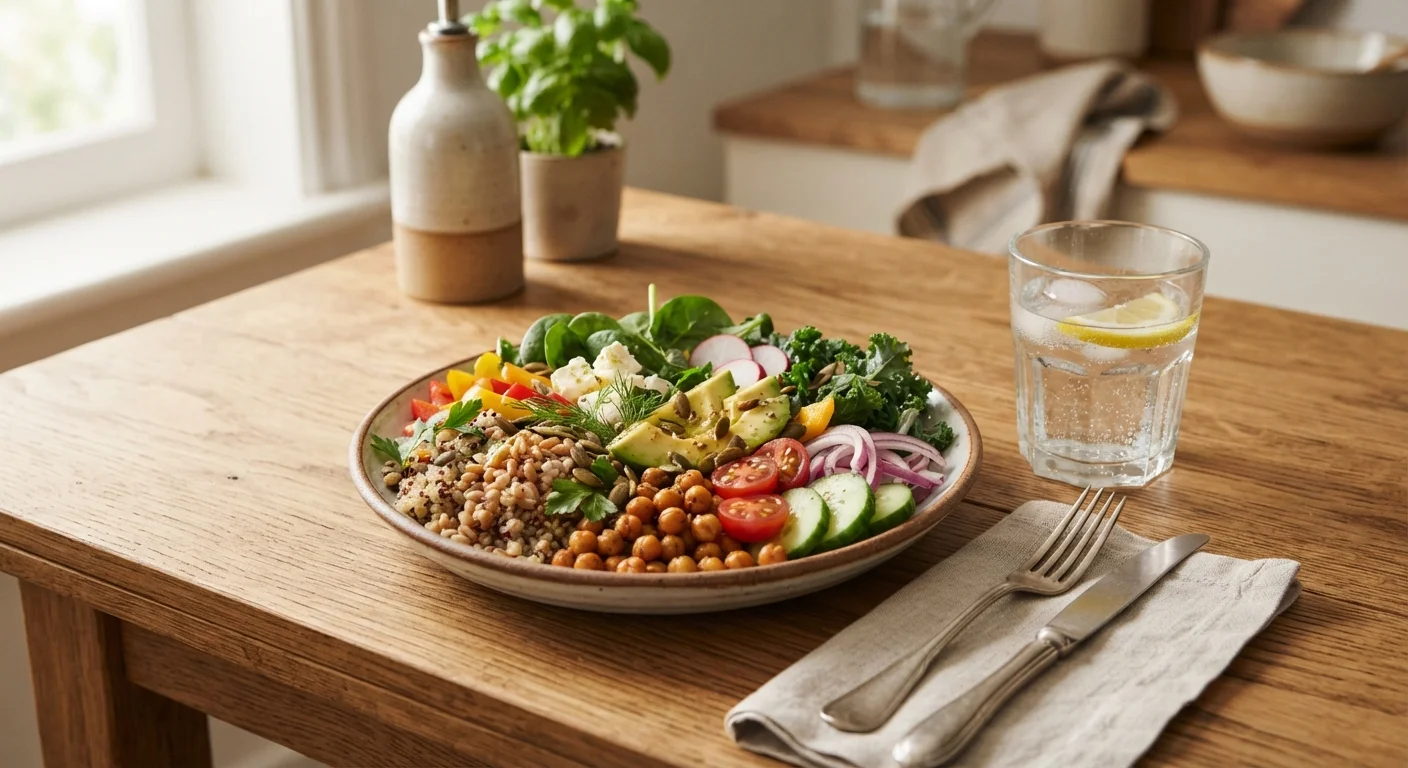
Not all of your daily fluid intake needs to come from a glass. Many whole foods have a surprisingly high water content. Cucumbers, lettuce, celery, and strawberries are over 90% water by weight. Even cooked grains like oatmeal absorb significant water during preparation.
This is one reason diets rich in whole fruits and vegetables tend to support better hydration naturally - and one reason heavily processed, dry-food-heavy diets can quietly contribute to dehydration without the person noticing. Understanding how moisture content works in food is explored in depth in discussions like how hydration fits into your daily diet.
Someone eats a large lunch but feels hungry again within an hour, despite having had enough calories.
A person switches from a heavily processed snack routine to one centered on apples, carrots, and hummus.
An office worker notices afternoon fatigue and brain fog despite eating a reasonable lunch.
Practical Ways to Keep Hydration and Eating Aligned
You don't need to track ounces obsessively. A few consistent habits go a long way toward keeping water intake aligned with how your body uses food:
- Drink a glass of water when you sit down to eat. This supports digestion from the start and helps you pace your meal more naturally.
- Fill half your plate with produce. Vegetables and fruits add fluid along with fiber, vitamins, and minerals - a compound benefit.
- Notice your urine color. Pale yellow generally indicates good hydration; dark yellow suggests you need more fluids.
- Rehydrate after exercise before eating. Physical activity depletes fluids and electrolytes, and eating before rehydrating can tax digestion.
These aren't rules - they're practical anchors. The core principles of good nutrition consistently point back to simple, sustainable habits rather than rigid protocols.
This article is for general informational and educational purposes only and is not a substitute for professional medical or dietary advice. Consult a qualified healthcare provider for guidance specific to your health needs.
Frequently Asked Questions
Research suggests that drinking water before meals can reduce the amount eaten at that meal by promoting a sense of fullness. However, water alone is not a weight-loss solution. It works best as part of an overall balanced approach to eating. Always consult a healthcare provider for personalized guidance.
Foods - particularly fruits and vegetables like cucumbers, watermelon, and leafy greens - can contribute roughly 20% of daily fluid intake for many people. However, most adults still need additional fluids from beverages to meet their hydration needs. Relying on food alone is generally not sufficient.
Yes, though it's uncommon in everyday situations. Drinking an extreme volume of water in a short period can dilute sodium levels in the blood, a condition called hyponatremia. For most healthy adults eating regular meals, this is not a practical concern with normal drinking habits.
Dehydration slows digestion, reduces the efficiency of nutrient transport, and can impair kidney function, making it harder for the body to excrete metabolic waste from food breakdown. Even mild fluid deficits can affect energy levels and cognitive sharpness after meals.
Moderate amounts of caffeinated beverages like coffee and tea do contribute to fluid intake. While caffeine has a mild diuretic effect, it doesn't offset hydration at typical consumption levels. Water and non-caffeinated drinks remain the most reliable sources.
The content on this site is provided for informational purposes only and should not be considered a substitute for professional advice. While we strive to provide accurate and up-to-date information, we make no guarantees regarding its completeness or accuracy. Always consult a qualified professional for advice specific to your circumstances before making any decisions.