

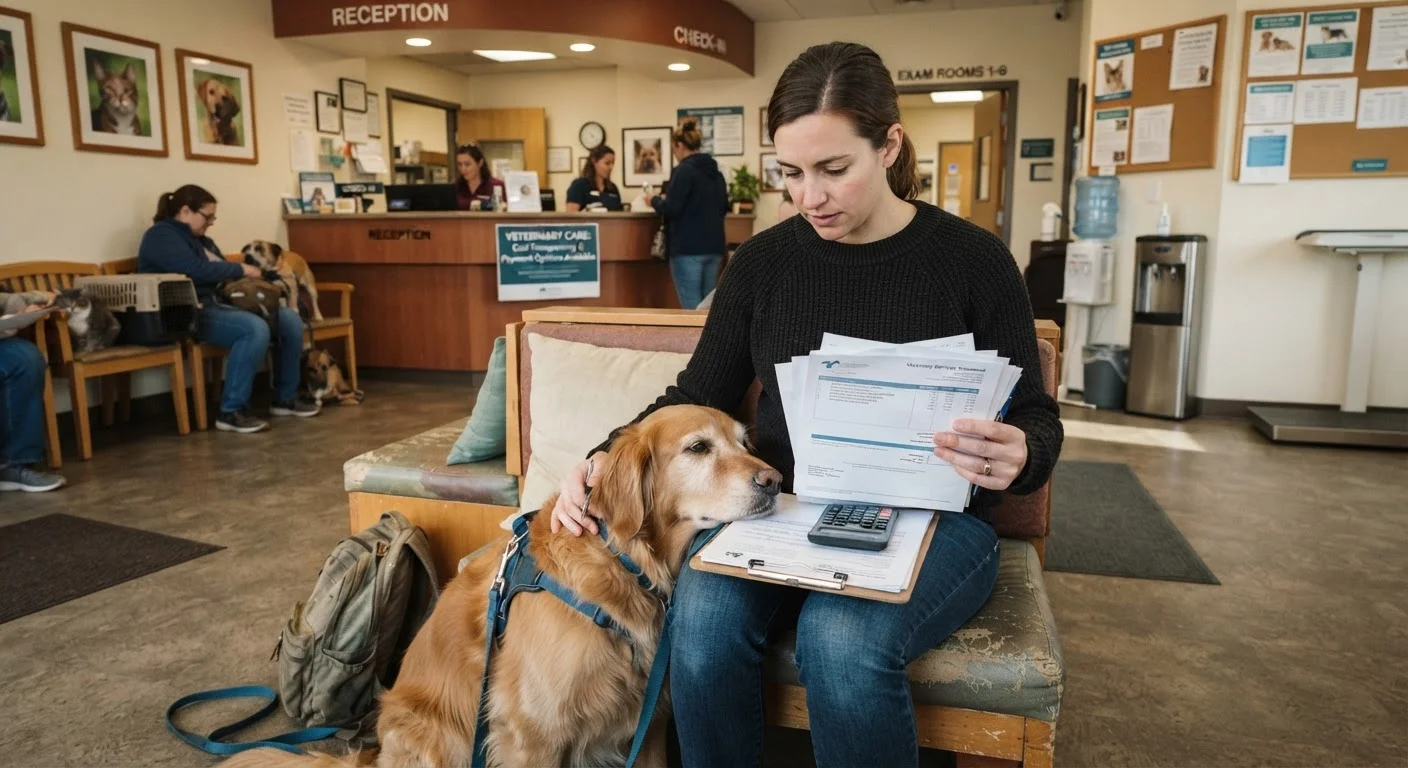
What the Adoption Fee Doesn't Cover
Bringing a dog home feels like the biggest financial moment - and then reality sets in. The adoption or purchase price is a one-time event, but the true costs of dog ownership accumulate quietly and persistently over a 10-to-15-year lifespan. Many first-time owners discover this the hard way, often within the first year.
If you're preparing to become a dog owner or reassessing your current budget, what no one tells you before you bring one home is a helpful starting point. But financial preparedness deserves its own conversation - and that starts with knowing which costs tend to blindside people most.
Emergency Veterinary Care
Emergencies don't schedule themselves. A dog that swallows a foreign object, tears a ligament, or develops bloat (gastric dilatation-volvulus) can generate a veterinary bill ranging from several hundred to several thousand dollars - sometimes overnight. Emergency clinics, which often operate after hours when your regular vet is closed, typically charge significantly higher consultation and procedure fees.
Unlike routine visits you can plan for, emergency costs are unpredictable in both timing and magnitude. This is why many veterinary professionals recommend keeping a dedicated pet emergency fund or enrolling in pet insurance before a crisis occurs - not after.
A single emergency visit can cost more than an entire year of routine care.
Dental Care and Cleanings
Dental disease is one of the most common conditions seen in adult dogs, yet professional dental cleanings are frequently left off owners' budgets entirely. A professional cleaning under general anesthesia - which is required for a thorough cleaning - can cost several hundred dollars per visit, and most dogs need one annually or even more frequently depending on breed and diet.
Skipping dental care doesn't save money long-term; it tends to result in extractions, infections, and systemic health complications that cost far more to treat. Brushing your dog's teeth at home helps, but it doesn't replace professional cleanings.
Dental cleanings require anesthesia and are often needed annually - a cost many owners overlook entirely.
Preventive Medications and Parasite Control
Flea, tick, and heartworm preventives are monthly recurring expenses that add up meaningfully over time. In many parts of the United States, these medications are essentially year-round necessities rather than optional add-ons. Heartworm treatment - needed when prevention lapses - can cost significantly more than years of the preventive medication itself.
Vaccines beyond the core puppy series, such as leptospirosis or Bordetella, may be recommended based on your dog's lifestyle and geography, adding further to annual costs. These aren't upsells - they reflect real regional disease risks.
Monthly preventives are a year-round cost in most U.S. climates, not an occasional purchase.
Boarding, Daycare, and Dog Walking
Travel, long work days, and illness are a normal part of life - and all of them can create an immediate need for professional pet care. Dog boarding facilities, in-home pet sitters, doggy daycare, and dog walkers represent costs that most owners will encounter regularly but rarely factor into their initial budget.
Costs vary considerably by region and service type, but boarding alone for a week-long trip can easily run into the hundreds. Dogs with high energy needs - something worth understanding before adoption, as outlined in our coverage of exercise needs across dog breeds and life stages - may require more intensive (and costly) care arrangements.
A single week of boarding can cost more than a month of pet food.
Behavioral Training and Support
Training is not a luxury - it's preventive care for your home, your dog's well-being, and sometimes your legal liability. Untreated anxiety, aggression, or destructive behavior can lead to damaged property, injury to people or other animals, and in serious cases, significant legal and financial consequences for the owner.
Group classes, private trainers, and board-and-train programs all carry costs, and dogs with complex behavioral needs may require ongoing support from a certified professional. Even a basic puppy manners course is an investment many owners underestimate when budgeting for a new dog.
Behavioral support is preventive care - ignoring it often creates far larger expenses down the road.
Age-Related and Chronic Health Costs
As dogs age, their medical needs typically increase. Arthritis management, thyroid conditions, diabetes, cancer, and cognitive decline are all conditions that become more common in senior dogs - and many require ongoing medication, specialist visits, or supportive therapies that persist for years.
These are not rare scenarios. A dog that lives to 12 or 14 years old will almost certainly require some form of chronic disease management in its later years. Planning for this phase financially - rather than being caught off guard by it - makes a meaningful difference in the options available to both the dog and the owner.
Most dogs will require chronic disease management in their senior years - plan for it early.
Building a More Honest Dog Budget
Awareness is the first step toward financial resilience as a dog owner. Once you recognize that emergency care, dental work, training, and boarding are not unlikely extras but predictable parts of responsible ownership, you can plan accordingly - setting aside a monthly amount, exploring pet insurance options, and making informed decisions about your dog's care.
Start a Dedicated Pet Emergency Fund
Financial advisors who work with pet owners often suggest setting aside a specific monthly amount - separate from regular pet expenses - into a dedicated savings account for unexpected veterinary costs. Even modest, consistent contributions over time can significantly reduce the stress and difficult choices that accompany a sudden health crisis. Review your pet insurance policy annually to ensure coverage still fits your dog's changing health profile.
For a deeper look at how to stay ahead of your dog's medical needs year to year, annual vet visit prep covers exactly what to bring, ask, and watch for at each wellness exam. The goal isn't to discourage dog ownership - it's to make sure the relationship starts on solid, sustainable ground for both of you.
The content on this site is provided for informational purposes only and should not be considered a substitute for professional advice. While we strive to provide accurate and up-to-date information, we make no guarantees regarding its completeness or accuracy. Always consult a qualified professional for advice specific to your circumstances before making any decisions.