

The Three Porosity Levels and What They Mean
Understanding where your hair falls on the porosity spectrum is one of the most practical steps you can take for your hair care routine - more useful, in many cases, than knowing your curl type alone.
Low porosity hair has a tightly closed cuticle. Moisture struggles to penetrate, so water tends to bead on the surface rather than absorb quickly. On the upside, once moisture does get in, it tends to stay. The main challenge is product buildup: heavier formulas sit on top of strands rather than absorbing, leaving hair feeling coated or looking dull.
Medium (or normal) porosity hair has a cuticle that allows moisture to enter and exit at a balanced rate. This level generally requires the least maintenance adjustment - products absorb reasonably well and moisture is retained for a decent period. It's the baseline most hair care formulations are designed around.
High porosity hair has a raised or compromised cuticle, allowing moisture to enter rapidly - but also to escape just as fast. Hair that feels dry shortly after conditioning, tangles easily, or absorbs water almost instantly when wet is often high porosity. This can be genetic or the result of cumulative damage from heat tools, chemical processing, or environmental stressors.
Porosity Can Vary Across Your Head
It's entirely possible for different sections of your hair to have different porosity levels. The ends of your hair, having been around the longest and exposed to the most styling and environmental stress, are often more porous than your roots or mid-lengths. This is one reason why applying products from ends to roots - rather than roots to ends - can be a more effective technique for many people.
How to Estimate Your Porosity
The most widely referenced at-home method is the float test: place a clean, product-free shed hair strand in a glass of room-temperature water and observe it after a few minutes. Hair that floats suggests low porosity; hair that sinks quickly suggests high porosity; hair that hovers in the middle suggests medium porosity.
This test has real limitations - buildup, oils, and strand thickness can all skew the result. A more reliable approach is simply paying attention to how your hair behaves. Does it take a long time to get fully wet in the shower? Do products sit on top rather than absorb? That points to low porosity. Does your hair dry very quickly but feel dry and brittle soon after? That's more consistent with high porosity.
You can also notice how your hair responds to humidity. High porosity hair tends to frizz in humid conditions because it absorbs moisture from the air rapidly and unevenly. Low porosity hair may remain more resistant to environmental humidity but feel stiff in dry conditions.
Check Hair Behavior, Not Just the Float Test
Rather than relying solely on the float test, observe your hair over several wash days. How long does it take to get saturated with water? How quickly does it dry? Does it feel moisturized a day after washing or immediately dry? Patterns across multiple wash days give you more reliable information than a single test.
Adjusting Your Routine Based on Porosity
Once you have a working sense of your porosity, you can make more deliberate choices about products and techniques - rather than troubleshooting the same dryness or buildup problems repeatedly.
For low porosity hair: Focus on lightweight, water-based products. Applying conditioner or treatments with gentle heat - a warm shower, a heated cap, or even wrapping hair in a warm towel - can help the cuticle open slightly for better absorption. Clarifying regularly helps prevent buildup. The ingredients in your hair care products matter here: avoid heavy butters and thick oils as leave-ins, opting instead for humectants and lighter emollients.
For high porosity hair: The priority is sealing moisture in after you've introduced it. Layering a leave-in conditioner followed by a heavier cream or oil can help create a barrier that slows moisture loss. Protein treatments - used in moderation - can temporarily fill gaps in the cuticle, improving strength and moisture retention. Cold water rinses after conditioning may help close the cuticle slightly.
For medium porosity hair: Maintain balance by rotating product weights seasonally or as conditions change. Avoid over-processing, which can push your hair toward higher porosity over time.
If you're new to building a routine around your hair's specific needs, the natural hair care starting guide offers an accessible framework for layering moisture and protective habits. And if you're noticing scalp concerns alongside dryness or texture changes, what your scalp might be signaling is worth reading alongside this one.
This article is for general informational purposes only. For concerns about significant hair loss, scalp conditions, or changes in hair health, consult a qualified healthcare or dermatology professional.
Frequently Asked Questions
Drop a clean, shed hair strand into a glass of room-temperature water and wait 2-4 minutes. If it floats, it's likely low porosity; if it sinks quickly, it may be high porosity; if it hovers in the middle, it's likely medium. Note that product buildup or oils can affect the result, so the test is a useful starting point rather than a definitive answer.
Yes. While your baseline porosity has a genetic component, repeated heat styling, chemical treatments like coloring or relaxing, and even prolonged sun exposure can raise or damage the cuticle, shifting hair toward higher porosity. Protective habits can slow this progression.
Lightweight, water-based moisturizers and humectants like glycerin tend to work well because they don't sit heavily on the cuticle. Applying products to hair with a little warmth - such as during a warm shower - can help open the cuticle slightly for better absorption.
Indirectly, yes. High porosity hair may dry out faster and feel rough between washes, while low porosity hair can accumulate product buildup more readily. Adjusting wash frequency and product weight based on your porosity can help maintain balance. See our guide on <a href="/beauty-fitness/hair-body-care/things-people-get-wrong-about-washing-their-hair">common hair washing mistakes</a> for more context.
Not necessarily. Some people have naturally high porosity hair due to their hair's genetic structure. However, porosity can also increase as a result of damage from chemical or heat treatments. Understanding the cause helps you choose whether to focus on protective care or damage repair strategies.
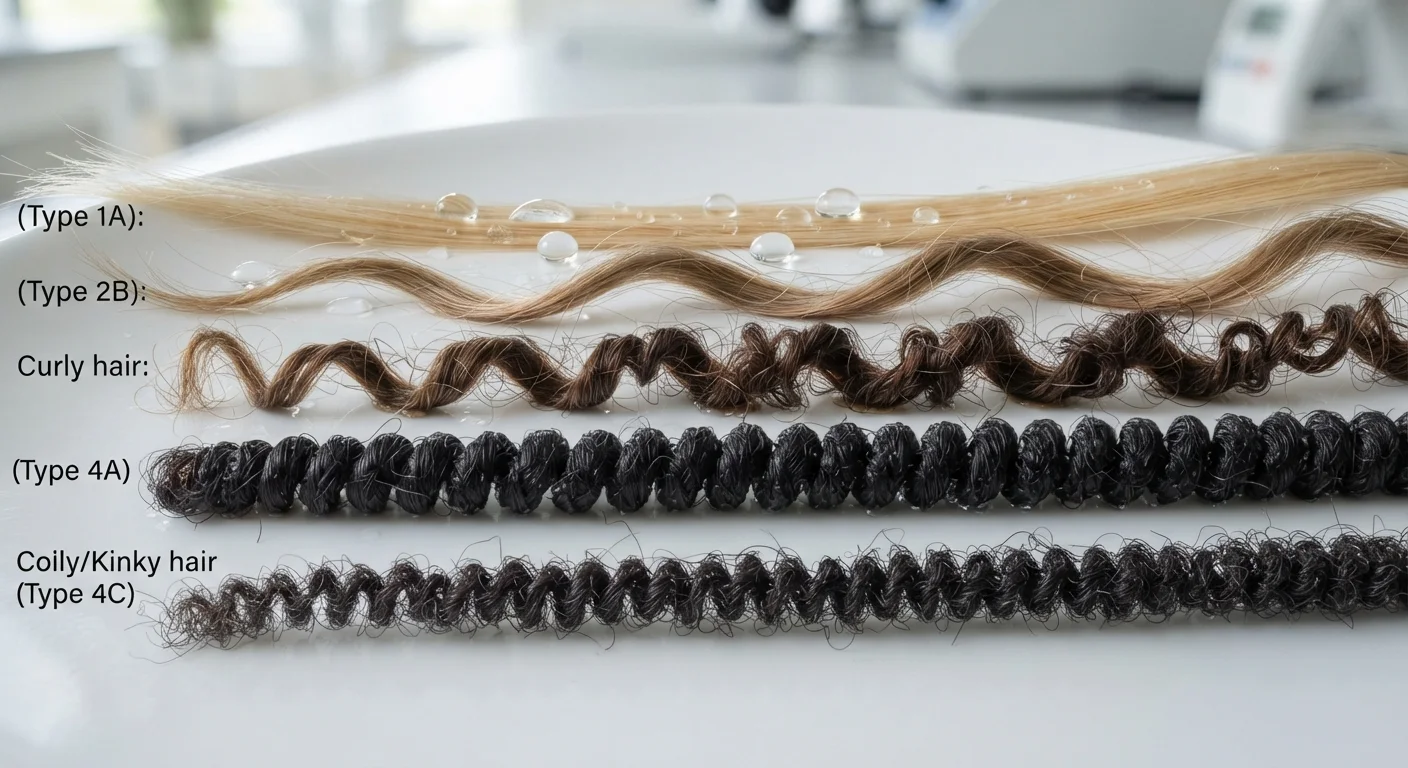
Yes. Porosity is independent of curl pattern, thickness, or hair type. Straight, wavy, curly, and coily hair can all be low, medium, or high porosity. This is why identifying your porosity separately from your hair type gives you more useful guidance for building a routine.
The content on this site is provided for informational purposes only and should not be considered a substitute for professional advice. While we strive to provide accurate and up-to-date information, we make no guarantees regarding its completeness or accuracy. Always consult a qualified professional for advice specific to your circumstances before making any decisions.