

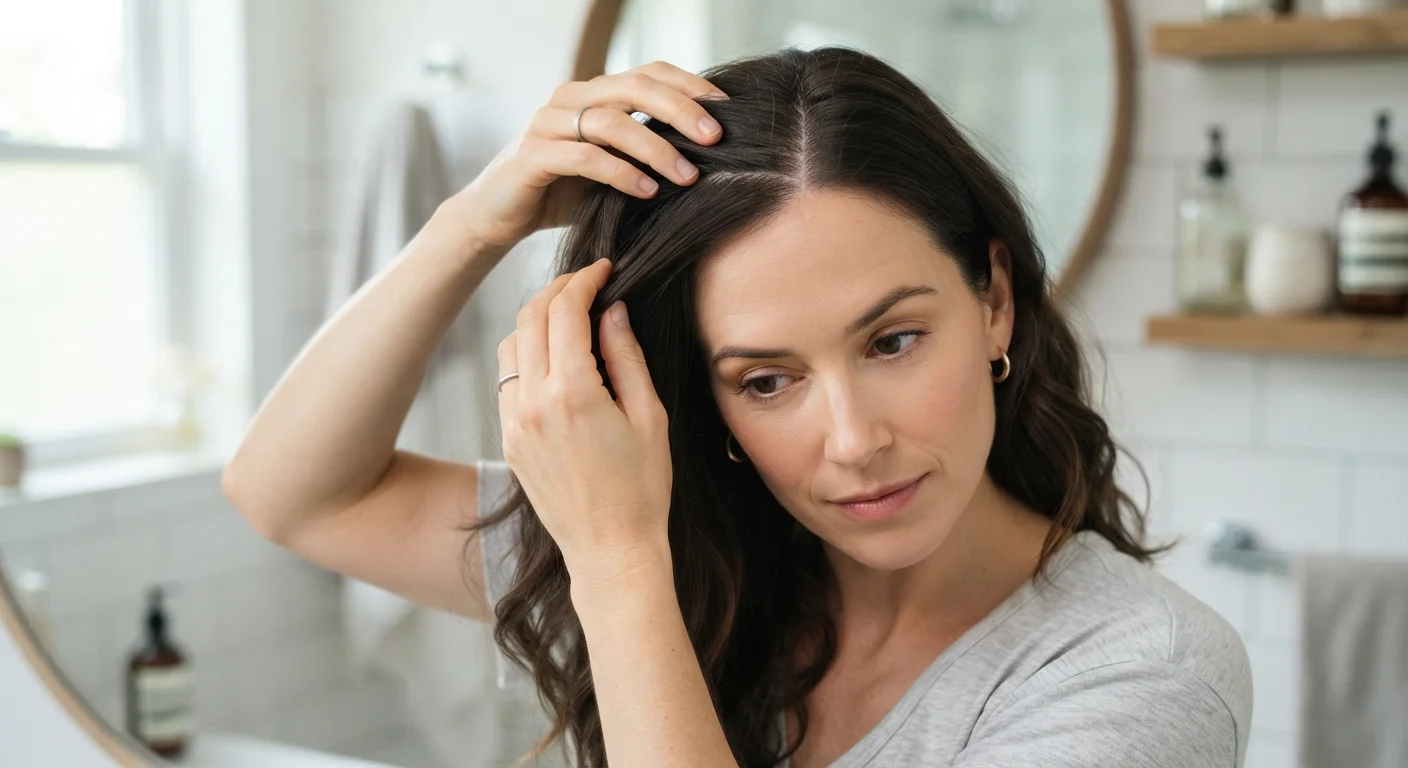
Why Your Scalp Deserves More Attention
Most people think about their hair in terms of length, texture, or shine - but the foundation of healthy hair is healthy skin. Your scalp is living tissue with its own oil glands, immune responses, and microbiome. When something is off, it communicates through symptoms that are easy to misread or dismiss.
Understanding what those signals actually mean - rather than reflexively reaching for the most heavily marketed shampoo - is the starting point for more effective care. Just as understanding whether you're dealing with a skin type or condition shapes your facial care routine, reading your scalp accurately shapes how you approach hair care.
~50%
Adults affected by dandruff at some point
Dandruff (seborrheic dermatitis of the scalp) is one of the most prevalent scalp conditions globally, according to dermatological literature.
3-4%
Adults with scalp psoriasis
Scalp psoriasis affects a meaningful minority of adults and is frequently confused with severe dandruff, underscoring the value of professional diagnosis.
Flaking: Not All Flakes Are the Same
Flaking is one of the most common scalp complaints, and it's frequently misdiagnosed at home. There are at least three distinct causes worth distinguishing:
- Dry scalp produces small, fine, white flakes and is often accompanied by overall tightness. It tends to worsen in cold, dry weather or with overwashing.
- Dandruff (seborrheic dermatitis) involves larger, oilier, yellowish flakes and is associated with an overgrowth of a naturally occurring yeast called Malassezia. It can also cause redness and a greasy feel at the roots.
- Scalp psoriasis produces thick, silvery scales and may involve raised patches. Unlike dandruff, it tends to extend slightly beyond the hairline and is a chronic inflammatory condition requiring a dermatologist's involvement.
Reaching for an anti-dandruff shampoo when you actually have a dry scalp can worsen the problem by stripping already-depleted moisture. Reading the flakes correctly matters.
Itching, Oiliness, and Tightness - Decoded
Persistent itching without visible flaking often points to product sensitivity, contact dermatitis, or buildup from dry shampoo and styling products. Fragrances, preservatives, and certain sulfates are common culprits. Simplifying your routine - temporarily cutting back to a single gentle, fragrance-free shampoo - can help identify whether a product is responsible.
Excess oiliness at the scalp and roots is driven primarily by sebaceous gland activity, which is influenced by genetics, hormonal fluctuations, and stress. Overwashing in response to oiliness can backfire: stripping the scalp of oil signals the glands to produce more. Gradually spacing out wash days - even by one day at a time - can help recalibrate oil production over several weeks.
Scalp tightness typically reflects dryness or a compromised moisture barrier. Harsh cleansing formulas, hot water, and dry air are frequent contributors. This is often where understanding what shampoo ingredients actually do becomes practically useful - sulfates, for example, cleanse effectively but can be too stripping for sensitive or dry scalps.
Try a Scalp Reset Before Changing Products
If you're unsure what's causing your scalp issues, consider a one-week reset: switch to a single unfragranced, gentle shampoo and stop using dry shampoo, heavy styling products, and heat treatments. This can help clarify whether your symptoms are product-related or something more persistent. Give it at least two full wash cycles before drawing conclusions.
When to Stop Managing It Yourself
Many common scalp concerns respond well to consistent, appropriately chosen home care over time. But certain signals suggest it's time to consult a board-certified dermatologist:
- Noticeable or accelerating hair shedding
- Open sores, bleeding, or painful areas
- Redness, swelling, or warmth that doesn't resolve
- Symptoms that persist or worsen despite weeks of gentle care
A dermatologist can distinguish between conditions that look similar on the surface - like seborrheic dermatitis versus psoriasis versus tinea capitis (a fungal infection) - and recommend appropriate treatment. Self-diagnosis based on appearance alone is unreliable for these conditions.
Once you have a clearer picture of what your scalp needs, building consistent supportive habits makes a real difference. Our companion article on scalp care habits worth adding to your weekly routine offers evidence-informed practices that support a balanced scalp environment over time.
This article is for general informational purposes only and is not a substitute for professional medical advice. If you have concerns about a scalp condition, consult a qualified dermatologist or healthcare provider.
Frequently Asked Questions
Flaking most often points to dandruff, a dry scalp, or a skin condition like seborrheic dermatitis or psoriasis. Dandruff flakes tend to be oily and yellowish, while dry scalp flakes are typically smaller and whiter. If flaking is persistent or accompanied by redness, a dermatologist can help identify the cause.
An itchy scalp without visible flaking can result from product buildup, contact dermatitis from an ingredient, a dry environment, or even stress. Less commonly, it may indicate a fungal imbalance. Try simplifying your routine and using fragrance-free products to see if irritation resolves.
No. Scalp oiliness is primarily driven by sebaceous gland activity, which is influenced by genetics, hormones, and stress - not cleanliness. Washing too frequently can actually stimulate more oil production as the scalp tries to compensate.
Tightness often reflects dryness or a disrupted skin barrier, and can be worsened by overwashing, harsh sulfates, or dry indoor air. Stress and tension can also contribute. Switching to a gentler, moisturizing shampoo and reducing wash frequency often helps.
See a dermatologist if you notice significant hair shedding, open sores, severe or worsening inflammation, bleeding, or symptoms that don't improve after several weeks of gentle, consistent care. Some scalp conditions require prescription treatment.
Yes. Nutritional deficiencies - particularly in zinc, iron, vitamin D, and certain B vitamins - are associated with scalp and hair changes. A balanced diet supports overall skin function, including the scalp, though this is not a substitute for targeted medical care when needed.
The content on this site is provided for informational purposes only and should not be considered a substitute for professional advice. While we strive to provide accurate and up-to-date information, we make no guarantees regarding its completeness or accuracy. Always consult a qualified professional for advice specific to your circumstances before making any decisions.