

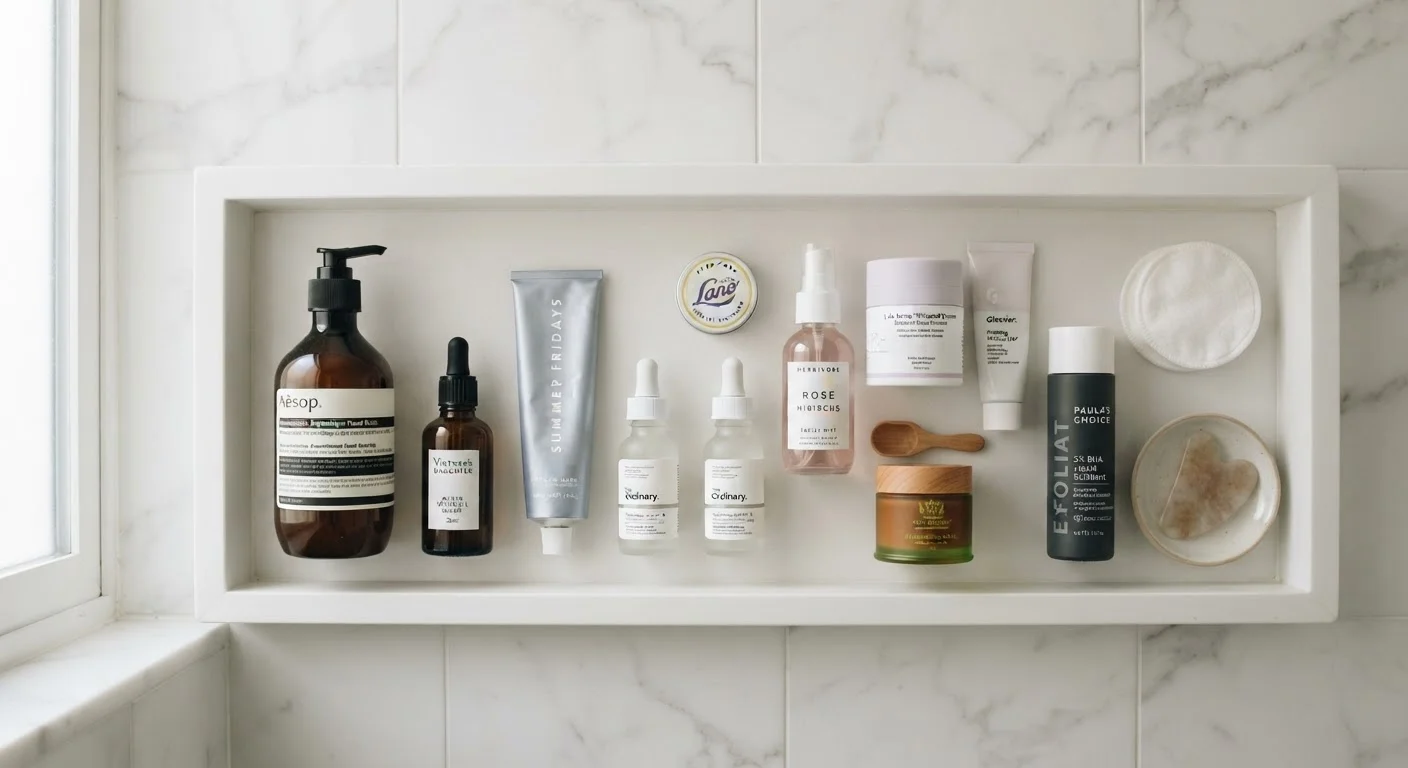
Why Skincare Plateaus Happen
A routine that once delivered noticeable results can quietly lose its effectiveness over weeks or months. This is frustrating, but it's also very common - and usually explained by a handful of correctable mistakes rather than product failure or your skin becoming "immune" to ingredients.
True physiological tolerance to skincare actives is rare and often misunderstood. More often, a plateau points to changes in how you're using your routine, how your skin's environment has shifted, or how the products are interacting with each other. If you're starting from scratch or reassessing what you're doing, our guide to building a simple skincare routine can help you establish a solid foundation before layering in actives.
When to See a Dermatologist
If your skin is experiencing persistent redness, stinging, breakouts, or significant changes in texture, a plateau may signal an underlying skin condition rather than a routine problem. This article is for general informational purposes only and is not medical advice. A board-certified dermatologist can assess your skin and recommend a personalized plan.
The Most Common Mistakes That Stall Your Results
The errors below account for the majority of skincare plateaus. Each one is fixable once you know what to look for.
Inconsistent application - using products only when you remember rather than daily.
Why it happens: Life gets busy, and skincare often feels optional. Many people also expect fast results and abandon a routine before it has time to work.
Layering active ingredients that chemically interfere with each other.
Why it happens: With so much ingredient information available online, it's tempting to pile on actives. Readers often don't realize that some combinations - like vitamin C and niacinamide, or retinol and AHAs - can reduce effectiveness or increase irritation.
Over-exfoliating and unknowingly damaging the skin barrier.
Why it happens: Exfoliation produces visible, quick results - smoother texture and brighter tone - which makes it easy to overdo. The assumption is that more exfoliation equals more improvement.
Not adjusting the routine when seasons or hormones shift.
Why it happens: Most people build one routine and stick with it year-round. However, humidity, temperature, and hormonal fluctuations meaningfully alter how the skin behaves.
Using the same routine morning and night without considering how skin needs differ.
Why it happens: It feels efficient to repeat the same steps twice a day, and many people aren't aware that daytime and nighttime skin priorities are actually different.
4-12 weeks
Typical timeframe for active ingredients to show visible results
Dermatology research consistently shows that most topical actives, including retinoids and vitamin C, require at least one full skin-renewal cycle to produce measurable changes.
~28 days
Average skin cell turnover cycle in adults
The skin renewal cycle lengthens with age, which is one reason results from new products or routine changes take time to become visible.
How to Reset Your Routine and Move Forward
Before adding new products, strip the routine back to basics: a gentle cleanser, a moisturizer appropriate for your skin type, and daily SPF. Give this simplified routine two to four weeks. If your skin stabilizes, reintroduce actives one at a time, spaced several weeks apart, so you can clearly observe how each one performs.
Plateaus in skincare closely mirror what happens when workout progress stalls - the body (or skin) adapts, and incremental adjustments are needed to keep moving forward. Patience and simplicity are almost always more effective than adding complexity.
This article is for informational purposes only and does not constitute medical or dermatological advice. Always consult a qualified healthcare professional for concerns about your skin's health.
The content on this site is provided for informational purposes only and should not be considered a substitute for professional advice. While we strive to provide accurate and up-to-date information, we make no guarantees regarding its completeness or accuracy. Always consult a qualified professional for advice specific to your circumstances before making any decisions.