

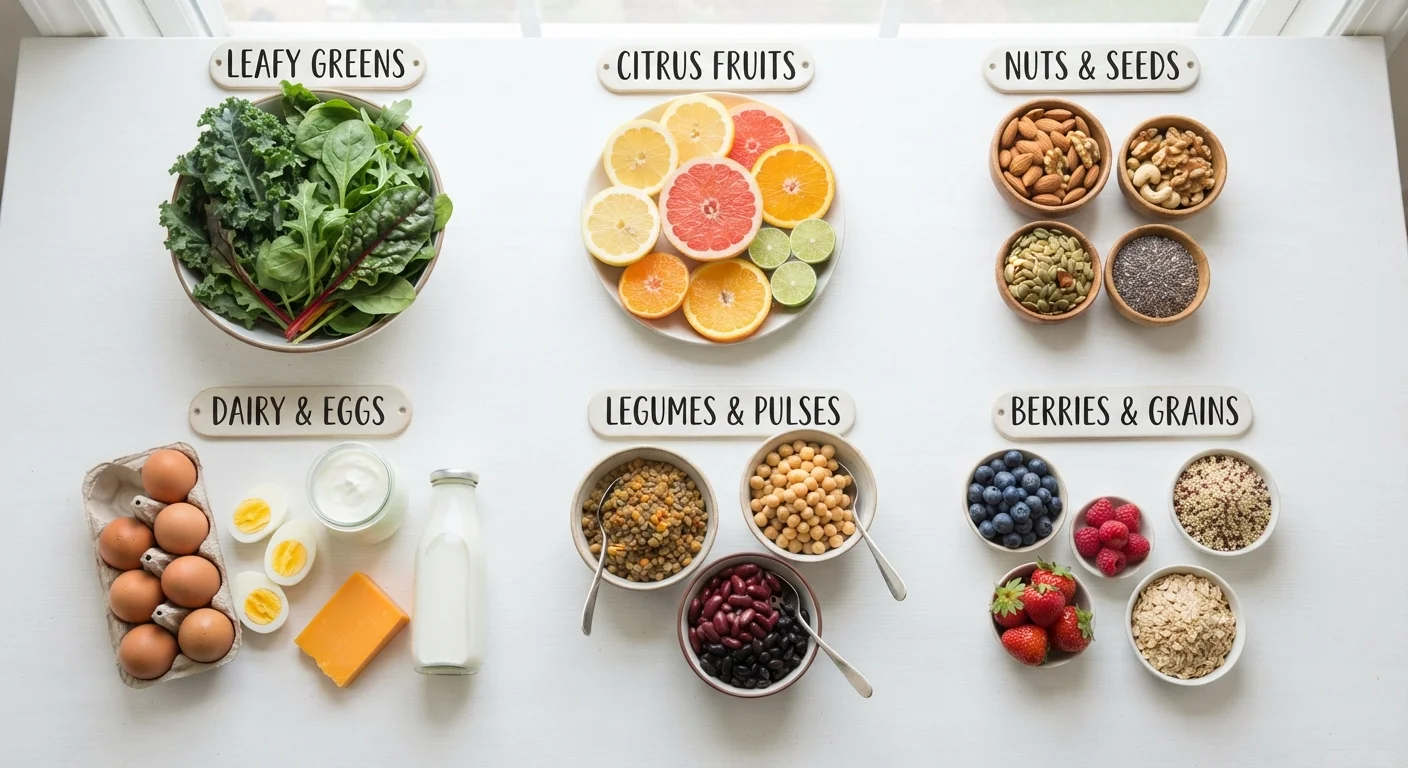
Why Micronutrients Matter
Macronutrients - protein, carbohydrates, and fat - get most of the nutrition spotlight. But micronutrients, the vitamins and minerals your body needs in smaller amounts, are just as essential. They drive nearly every biological process: converting food into energy, building bone, regulating immune response, and maintaining nerve signaling.
Unlike macronutrients, most micronutrients cannot be synthesized in sufficient quantities by the body itself. That means food choices directly determine whether your cells have the raw materials they need. For a broader foundation, see our beginner nutrition guide before diving into the specifics below.
This reference is organized around two categories: fat-soluble vitamins (A, D, E, K), which are stored in body fat and liver; and water-soluble vitamins (C and the B-complex), which are not stored in large amounts and need more regular replenishment. Minerals are grouped separately.
This article is for general informational purposes only and is not a substitute for advice from a registered dietitian or qualified healthcare professional.
| Number of recognized essential vitamins | 13 (National Institutes of Health, Office of Dietary Supplements) |
| Essential minerals (major + trace) | 16+ (General nutritional science consensus) |
| Most common U.S. deficiency | Vitamin D (CDC National Health and Nutrition Examination Survey data) |
| Fat-soluble vitamins | A, D, E, K |
| Water-soluble vitamins | C and 8 B vitamins |
| Vitamin most at risk on plant-based diets | Vitamin B12 (NIH Office of Dietary Supplements) |
Fat-Soluble Vitamins: A, D, E, and K
Because fat-soluble vitamins accumulate in tissue, both deficiency and excess are clinically meaningful. Eating a wide variety of whole foods typically keeps levels in a healthy range for most adults.
- Vitamin A - Supports vision (especially night vision), skin cell turnover, and immune function. Found in liver, dairy, eggs, and as beta-carotene in orange and leafy green vegetables. Deficiency can impair night vision and immune defense.
- Vitamin D - Regulates calcium absorption and is important for bone density and immune modulation. Synthesized through sun exposure; dietary sources include fatty fish, fortified dairy, and egg yolks. Deficiency is common, especially in northern latitudes and among people with limited sun exposure.
- Vitamin E - Acts as an antioxidant, protecting cell membranes from oxidative damage. Found in nuts, seeds, and plant oils. Isolated deficiency is uncommon in otherwise healthy adults.
- Vitamin K - Essential for blood clotting (K1, from leafy greens) and bone metabolism (K2, from fermented foods and animal products). People taking blood-thinning medications should discuss dietary vitamin K with their doctor.
A Note on Supplements vs. Food Sources
Whole foods deliver vitamins and minerals alongside fiber, phytonutrients, and other compounds that can affect how nutrients are absorbed and used. Supplements can fill genuine gaps - particularly for B12 on plant-based diets or vitamin D in low-sun environments - but they are not a wholesale replacement for a varied diet. If you suspect a deficiency, a healthcare provider can order a blood test and recommend appropriate next steps.
Water-Soluble Vitamins and Key Minerals
Water-soluble vitamins - vitamin C and the eight B vitamins - are excreted more readily, so consistent dietary intake matters. Minerals, both major (needed in larger amounts) and trace (needed in tiny amounts), round out the micronutrient picture.
Vitamin C and B-Complex Highlights
- Vitamin C - Supports collagen synthesis, immune function, and iron absorption from plant foods. Citrus, bell peppers, strawberries, and broccoli are rich sources. Deficiency leads to scurvy, though this is rare in the U.S. today.
- B12 - Critical for nerve function and red blood cell formation. Found almost exclusively in animal products; people following plant-based diets typically need a reliable supplement or fortified foods.
- Folate (B9) - Essential for DNA synthesis and cell division; especially important before and during pregnancy. Found in dark leafy greens, legumes, and fortified grains.
- B6 and B1 (Thiamine) - Involved in energy metabolism and neurotransmitter production. Widely distributed across whole grains, legumes, meat, and fish.
Essential Minerals
- Calcium - Primary structural mineral in bones and teeth; also involved in muscle contraction and nerve signaling. Dairy, fortified plant milks, tofu, and leafy greens are sources.
- Iron - Carries oxygen in hemoglobin. Heme iron (meat, poultry, fish) is absorbed more efficiently than non-heme iron (legumes, spinach). Pairing plant iron with vitamin C improves absorption.
- Magnesium - Involved in hundreds of enzyme reactions, including energy production and muscle function. Found in nuts, seeds, whole grains, and dark chocolate.
- Zinc - Supports immune function, wound healing, and taste and smell. Meat, shellfish, legumes, and seeds are good sources.
- Potassium - Regulates fluid balance and blood pressure. Bananas, potatoes, beans, and leafy greens provide meaningful amounts.
To understand how these appear on packaged foods, reading a nutrition label can help you translate Daily Values into practical context. You can also explore the full micronutrients overview for a deeper look at why these nutrients are classified as essential.
Micronutrient
Vitamins and minerals needed in small but critical amounts for normal body function. Unlike macronutrients, they provide no calories but enable countless biological processes.
Fat-soluble vitamin
Vitamins that dissolve in fat and are stored in the liver and fatty tissue. Because they accumulate, excessive intake can reach harmful levels over time.
Water-soluble vitamin
Vitamins that dissolve in water and are not stored in significant amounts. Excess is generally excreted in urine, so regular dietary intake is important.
Daily Value (DV)
A reference amount set by the FDA representing how much of a nutrient most adults should consume per day. Shown as a percentage on Nutrition Facts labels.
Heme iron
A form of dietary iron found in animal-based foods that the body absorbs more efficiently than the non-heme iron found in plant foods.
Antioxidant
A compound that helps neutralize free radicals - unstable molecules that can damage cells. Several vitamins, including C and E, function as antioxidants.
The content on this site is provided for informational purposes only and should not be considered a substitute for professional advice. While we strive to provide accurate and up-to-date information, we make no guarantees regarding its completeness or accuracy. Always consult a qualified professional for advice specific to your circumstances before making any decisions.