

Why Nutrition Myths Are So Hard to Shake
Nutrition advice is uniquely vulnerable to misinformation. Diet books become bestsellers, headlines contradict each other from week to week, and social media can turn a single small study into sweeping dietary doctrine overnight. Understanding why myths persist is the first step to cutting through the noise.
Many nutrition myths begin as oversimplifications of real science - or as findings from early research that were later revised. Others spread because they tap into desires for simple, dramatic solutions to complex health questions. To become a more critical reader of food and health claims, our article on understanding nutrition research explains how to evaluate study types and funding sources before changing your eating habits.
Myth
Eating fat makes you fat.
Fact
Dietary fat does not directly translate to stored body fat; overall calorie balance and fat type play a far bigger role.
The idea that eating fat causes fat gain became widespread during the low-fat diet era of the 1980s and 1990s. In reality, body fat accumulation is driven primarily by a sustained calorie surplus - not by fat consumption alone. Unsaturated fats, found in foods like olive oil, avocados, and nuts, are associated with favorable cardiovascular outcomes in much of the nutrition research. Understanding the differences between fat types is worth the effort - see our guide on saturated, unsaturated, and trans fats for a clear breakdown.
Myth
Carbs are the enemy and should be minimized for good health.
Fact
Carbohydrates are the body's preferred energy source; the type and overall diet quality matter far more than simply reducing carbs.
Carbohydrates have been demonized in popular diet culture for decades, but nutrition research consistently shows that whole-food carbohydrate sources - legumes, whole grains, fruits, and vegetables - are associated with positive health outcomes. The issue tends to be with heavily processed, high-sugar carbohydrate sources, not the macronutrient itself. For a balanced look at how carbs and protein each fit into a healthy plate, see protein vs. carbohydrates. You can also learn more about how all three macronutrients function in Macronutrients Explained.
Myth
Skipping breakfast boosts your metabolism and helps you lose weight.
Fact
Meal timing has a modest effect on metabolism at best, and skipping breakfast does not reliably produce weight loss in most people.
The belief that breakfast "kickstarts" metabolism is not well-supported by current evidence. Research on meal timing, including intermittent fasting protocols, shows mixed results - outcomes depend heavily on total calorie intake, food quality, and individual factors. Some people function well without breakfast; others find skipping it leads to overeating later. For a thorough look at the science behind meal timing strategies, our article on intermittent fasting walks through the evidence and important caveats.
Myth
You need a lot of protein to be healthy - most people are protein deficient.
Fact
Most Americans consume adequate protein; true deficiency is uncommon in people eating a varied diet.
High-protein marketing has created the impression that most people fall dangerously short on this macronutrient. In practice, surveys of dietary intake consistently find that the majority of American adults meet or exceed recommended protein levels through everyday eating. Athletes, older adults, and people recovering from illness may have elevated needs, but these are specific circumstances - not a universal gap. As with any dietary concern, individual needs vary, and a registered dietitian is the best resource for personalized guidance.
Myth
Superfoods can offset an otherwise poor diet.
Fact
No single food - however nutrient-dense - can compensate for a consistently poor overall dietary pattern.
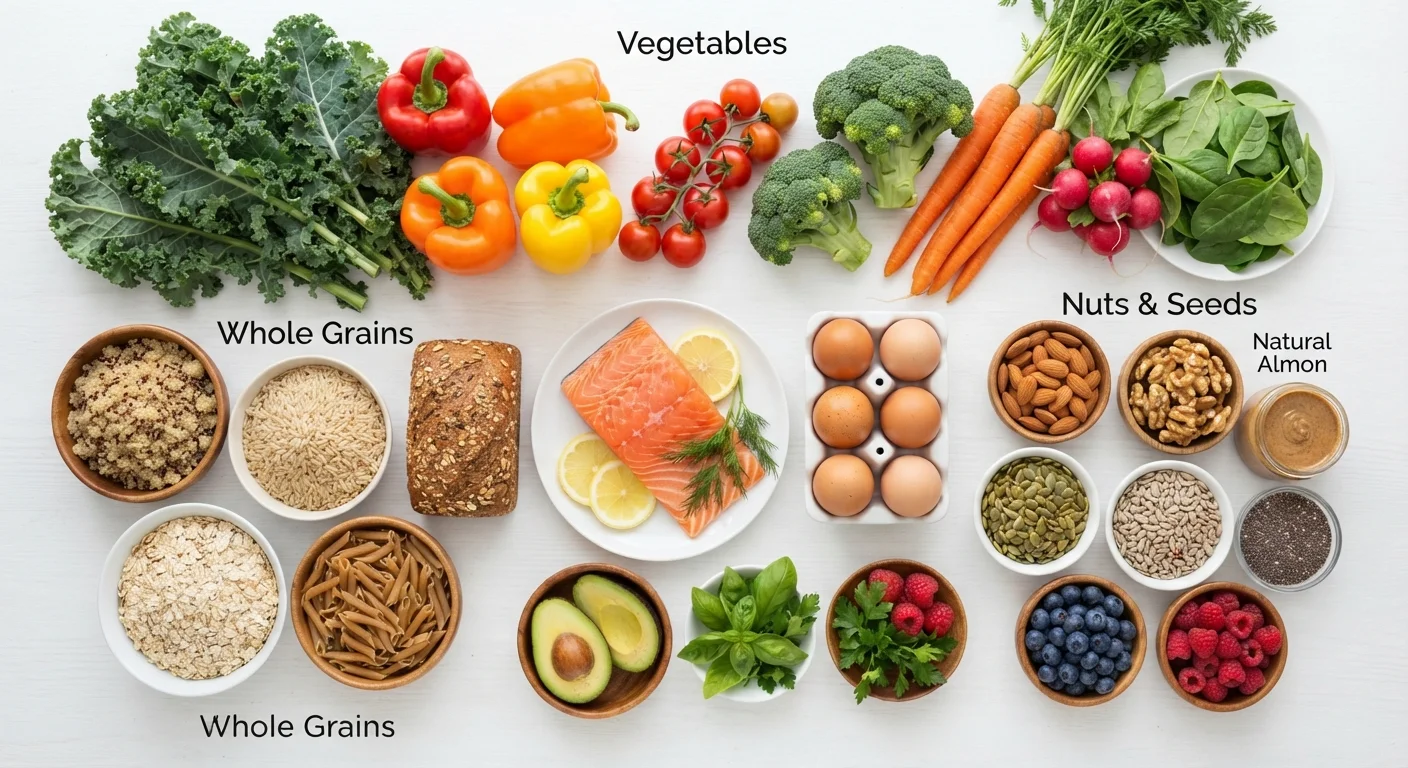
The concept of "superfoods" is largely a marketing construct rather than a regulated nutritional category. Foods like blueberries, kale, or chia seeds are genuinely nutritious, but their benefits exist within the context of an overall eating pattern. Nutrition research consistently points to dietary patterns - not individual foods - as the strongest predictor of health outcomes. For a look at eating patterns with strong research support, see eating patterns backed by nutrition research.
Myth
Detox diets and cleanses remove toxins from the body.
Fact
The liver and kidneys continuously filter waste products; commercial 'detox' products have not been shown to enhance this process.
"Detox" diets and juice cleanses are perennial bestsellers, but the human body already has sophisticated filtration systems - the liver, kidneys, and digestive tract - that process and eliminate metabolic waste and environmental compounds continuously. Nutrition researchers have not found credible evidence that commercial detox products meaningfully accelerate or improve these natural processes. Staying well-hydrated, eating adequate fiber, and limiting alcohol are evidence-informed ways to support these organs. For more on fiber's role, see why most Americans fall short on fiber.
What the Evidence Actually Shows
Across virtually every well-tested nutrition myth, the same pattern emerges: the real answer is more nuanced than the popular version. Total dietary pattern - the combination of foods eaten consistently over time - matters more than any single nutrient, food, or meal timing rule. Crash dieting is a classic example of this mismatch between popular belief and physiology; learn more about why crash diets often backfire and what happens metabolically during severe restriction.
~5%
Adults with clinically low dietary protein intake
National dietary surveys suggest very few American adults are protein-deficient when eating a varied diet, despite widespread concern about protein intake.
57%
Of U.S. calories from ultra-processed foods
Research published in the BMJ estimated that ultra-processed foods account for more than half of calorie intake in the American diet - a pattern linked to poorer health outcomes regardless of macronutrient ratios.
95%
Of Americans fall short of recommended fiber
According to nutrition data reviewed by the Dietary Guidelines Advisory Committee, fiber is among the most underconsumed nutrients in the United States.
This Is General Nutrition Education
The information in this article is for general educational purposes and does not constitute medical or dietary advice. Individual nutritional needs vary widely based on age, health status, medications, and other factors. Always consult a registered dietitian or qualified healthcare professional before making significant changes to your diet.
The clearest takeaway from decades of nutrition research is that sustainable, varied eating - centered on whole foods and modest in heavily processed items - outperforms any single dietary rule or miracle food. Skepticism toward dramatic nutrition claims, and curiosity about the full evidence behind them, will serve you better than any short-term cleanse or elimination plan.
The content on this site is provided for informational purposes only and should not be considered a substitute for professional advice. While we strive to provide accurate and up-to-date information, we make no guarantees regarding its completeness or accuracy. Always consult a qualified professional for advice specific to your circumstances before making any decisions.