

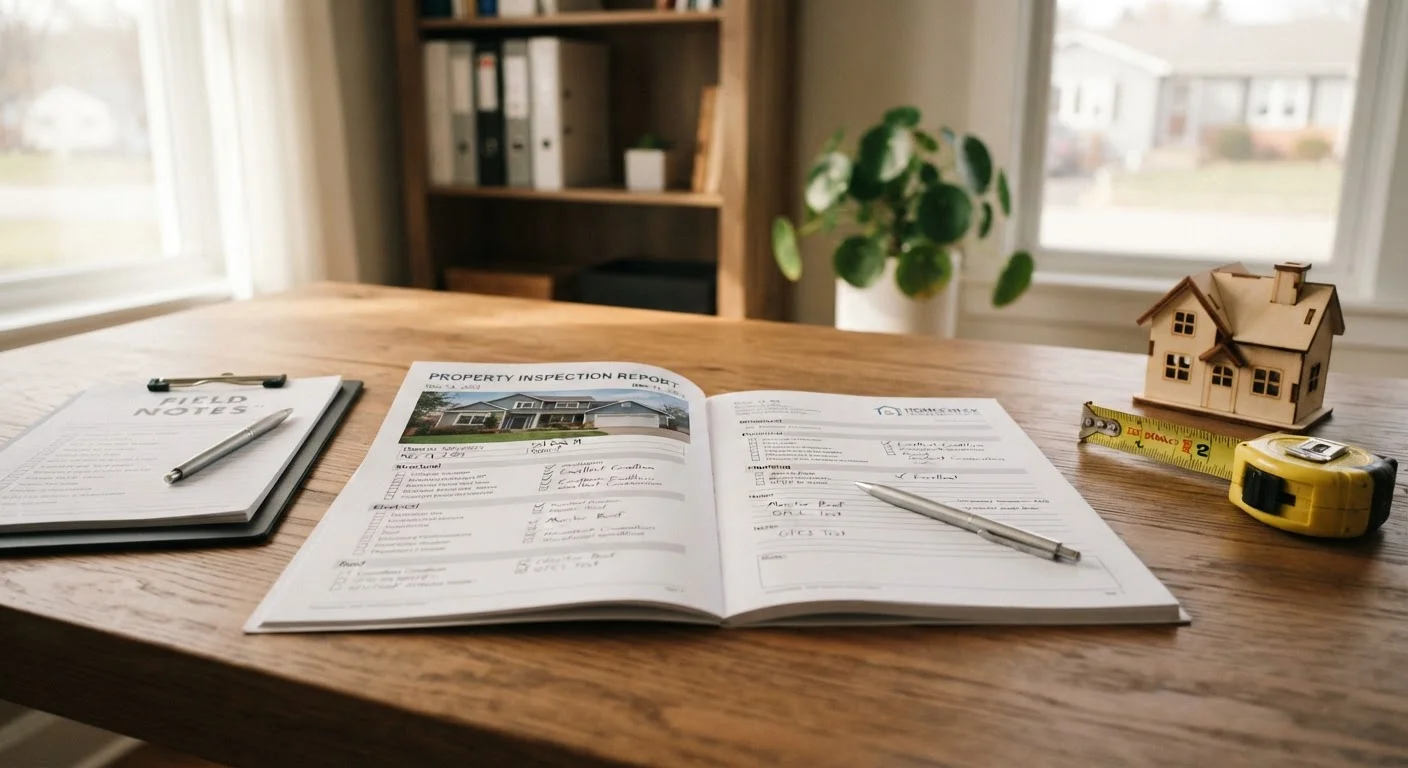
How Inspection Reports Are Organized
Most home inspection reports follow a room-by-room or system-by-system structure, moving through major categories: roofing, exterior, foundation and structure, electrical, plumbing, HVAC (heating, ventilation, and air conditioning), interior spaces, and insulation. Within each category, the inspector notes the condition of individual components using a consistent rating system - common labels include Satisfactory, Marginal, Deficient, and Safety Concern, though exact terminology varies by inspector and software platform.
Photos are almost always included and are one of the most useful parts of the report. A photograph of a corroded pipe fitting or a missing drip edge on the roof gives you visual confirmation of what the written language is describing. If a photo is unclear, ask the inspector for clarification - that conversation is part of what you're paying for.
Just as you'd learn to interpret symbols and ratings in other technical documents - much like reading dashboard warning lights on your car - understanding a report's rating system before you read the findings helps you process the content without panic.
Separating Urgent Issues From Routine Maintenance
The single most important skill when reading an inspection report is triage - sorting findings by genuine urgency. Inspectors flag a wide range of issues, and seeing a long list can feel alarming even when most items are minor.
Read the Summary Page First
Most modern inspection reports include a summary section that lists only the flagged deficiencies, separate from the full narrative. Start there to get a quick overview of what needs attention, then read the full report for context and photos. Never rely on the summary alone - the detail sections explain the severity and recommended next steps.
Safety and structural findings deserve immediate attention. These include items such as:
- Active electrical hazards (double-tapped breakers, aluminum branch wiring, open junction boxes)
- Evidence of active water intrusion or foundation movement
- Inoperable smoke or carbon monoxide detectors
- Significant roof damage or compromised structural members
Maintenance and repair findings are very common in any home and rarely require emergency action. Caulking gaps around windows, a slow-draining fixture, or minor grading issues near the foundation are all standard homeowner maintenance - important to address, but not urgent in most cases.
A useful mental filter: ask yourself whether the issue poses a risk to occupant safety, will worsen rapidly if ignored, or affects a major system's core function. If yes to any of those, move it to the top of your action list.
What the Language in Reports Actually Means
Report language is deliberately measured and professional, which can sometimes make moderate issues sound more alarming than they are - or, conversely, cause serious items to be overlooked. A few common phrases decoded:
- "Evidence of prior repair" - The inspector saw signs that something was previously fixed. This is neutral on its own; the question is whether the repair was done correctly.
- "Recommend evaluation by a licensed " - The inspector identified something outside their scope or expertise, or something that warrants a specialist's opinion. Take this seriously and follow through.
- "Functional but at or near end of useful life" - The component is working today but should be budgeted for replacement in the near future. Common for older HVAC equipment or water heaters.
- "Not visible at time of inspection" - The inspector could not access or see the area, so no conclusion was drawn. This is not a clearance - it simply means the item was not evaluated.
Understanding this language works similarly to decoding technical labels in other contexts - just as home improvement permits outline what work requires professional involvement, inspection report language signals when a licensed trade professional should be your next call.
~86%
Buyers who hire a home inspector
According to the National Association of Realtors, the vast majority of home buyers include a professional inspection as part of their purchase process.
2-4 hours
Typical home inspection duration
Most residential inspections take between two and four hours depending on the size and age of the property, with the written report delivered within 24 hours.
Hundreds
Individual items examined per inspection
A standard inspection covers several hundred components across roofing, structure, electrical, plumbing, HVAC, and interior systems, per ASHI standards.
Turning Findings Into an Action Plan
Once you've read the report, organize findings into three buckets: items to address immediately (safety and structural), items to schedule within the next six to twelve months (significant systems nearing end of life or showing early deterioration), and items to monitor or handle as routine maintenance.
For any finding marked as requiring professional evaluation, contact the appropriate licensed contractor - an electrician for electrical concerns, a structural engineer for foundation questions, a licensed plumber for plumbing deficiencies. Get written assessments and repair quotes before making any final decisions on a property purchase or renovation plan.
Keep the report on file even after you've addressed individual items. It establishes a documented baseline for your home's condition, which is useful for future maintenance planning, insurance purposes, and resale disclosure.
This article is for general informational and educational purposes only. Home inspection findings vary by property, inspector, and local conditions. Always consult qualified, licensed professionals before making decisions based on inspection findings, and verify local permit and code requirements with your local building authority.
Frequently Asked Questions
Not necessarily. Every older home will have some deficiencies noted. The key is distinguishing between safety or structural issues and routine maintenance items. Reviewing the report with your real estate agent and, where needed, a specialist contractor will help you make an informed decision.
A deficiency is any condition that is not functioning as intended - such as a missing downspout or a sticking door. A safety hazard is a finding that poses a risk of injury, such as exposed wiring or an inoperable smoke detector. Safety hazards should always be addressed first.
Inspectors typically do not provide repair cost estimates - that falls outside their professional scope. For any significant finding, you should obtain quotes from licensed contractors in the relevant trade to understand actual repair costs.
Inspectors examine visible and accessible components; they do not open walls, move furniture, or inspect systems that are not safely accessible at the time of inspection. Specialty systems like pools, septic tanks, or chimneys may require a separate specialist inspection.
A report reflects conditions on a single day and has no formal expiration, but conditions can change quickly. If significant time passes between the inspection and a closing or purchase decision, a re-inspection is often advisable.
Attending is strongly recommended. Walking through with the inspector lets you ask questions in real time, see issues firsthand, and better understand the written report later. Most inspectors welcome and encourage buyer attendance.
The content on this site is provided for informational purposes only and should not be considered a substitute for professional advice. While we strive to provide accurate and up-to-date information, we make no guarantees regarding its completeness or accuracy. Always consult a qualified professional for advice specific to your circumstances before making any decisions.