

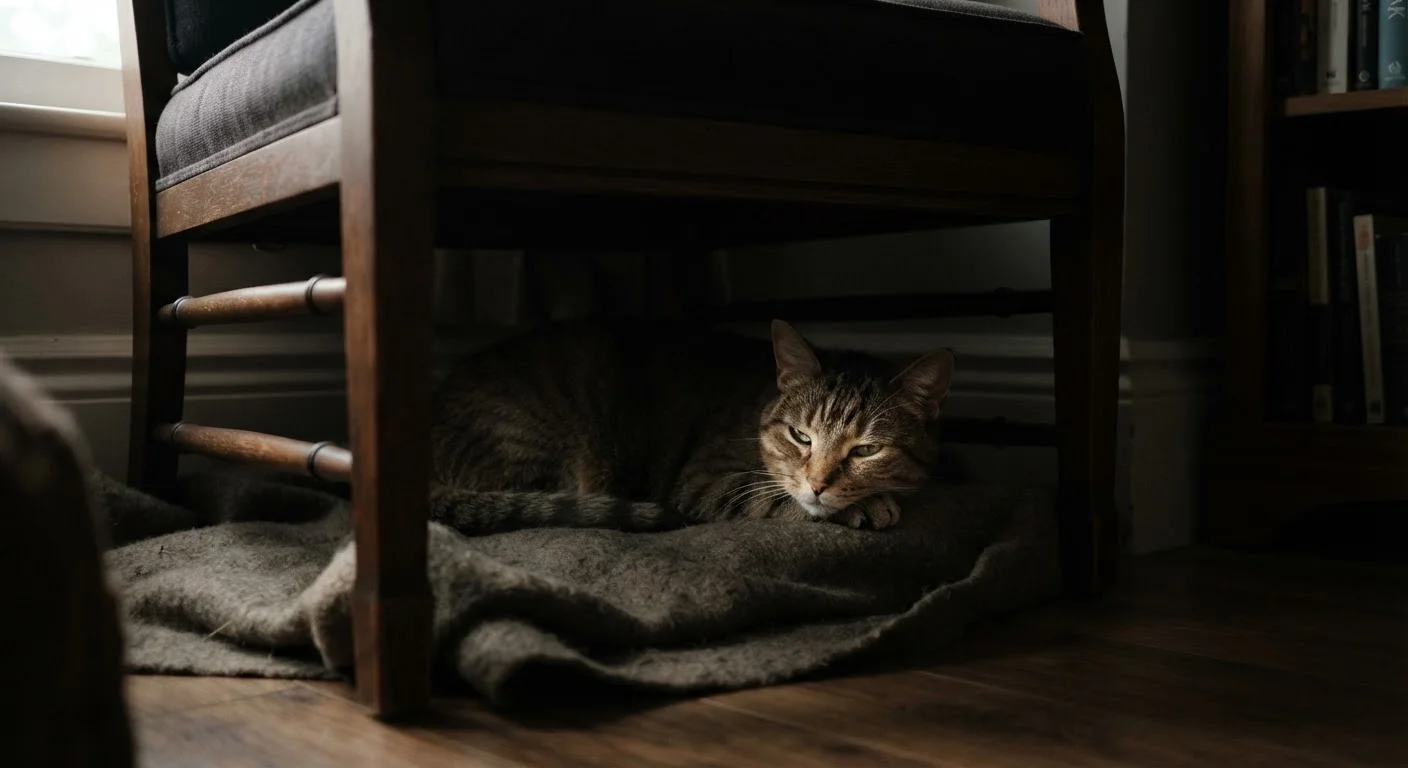
Why Cats Hide Illness
Cats are hardwired to conceal vulnerability. As both predators and prey in the wild, showing weakness attracts danger - so even a domesticated cat that has never spent a day outdoors carries that same instinct. By the time obvious symptoms appear, an illness may already be well advanced.
That's why veterinarians often emphasize the importance of noticing subtle changes in behavior and physical appearance rather than waiting for dramatic signs. Routine observation is your most powerful diagnostic tool.
Behavioral Red Flags to Watch For
Changes in how your cat acts are often the earliest clues that something is wrong. Take note if you observe any of the following:
- Increased hiding or withdrawal: A normally sociable cat that suddenly retreats to closets, under beds, or behind furniture may be in pain or feeling unwell.
- Reduced or absent grooming: A dull, matted, or greasy coat signals that your cat may lack the energy or comfort to self-groom - a notable departure from typical feline behavior.
- Changes in vocalization: Excessive meowing, growling when touched, or uncharacteristic silence can all indicate distress.
- Aggression or irritability: A cat that suddenly snaps or swats when handled in areas it previously tolerated may be protecting a painful spot.
- Disrupted sleep patterns or restlessness: Difficulty settling or frequent position shifting can accompany pain or respiratory discomfort.
Litter box behavior is especially informative. Straining, frequent trips with little output, blood in urine or stool, or outright avoidance of the box are all medically significant. See our guide to litter box problems for a closer look at what these patterns can mean.
Trust Your Baseline Knowledge
No one knows your cat's normal behavior better than you do. A change that seems minor - slightly less playful, eating a little more slowly - can be significant precisely because it's out of character. When in doubt, contact your veterinarian; they would rather field a question about a cat who turns out to be fine than see one whose illness was caught too late.
Physical Signs That Warrant a Vet Call
Alongside behavioral shifts, certain physical changes should prompt a veterinary appointment without delay:
- Weight loss: Even gradual, unexplained weight loss over weeks is a meaningful symptom, not normal aging.
- Changes in eating or drinking: Notably increased or decreased food intake, or dramatically more or less water consumption, can indicate conditions ranging from diabetes to kidney disease.
- Third eyelid visibility: If a pale, opaque membrane appears across the inner corner of one or both eyes, this is a common sign of systemic illness.
- Labored or open-mouth breathing: Cats rarely breathe through their mouths. If yours does, treat it as an emergency.
- Coat and skin changes: Flakiness, hair loss, or lumps beneath the skin deserve professional evaluation.
- Dental odor or drooling: Persistent bad breath or unexpected drooling may point to dental disease or oral pain.
The myth that purring always signals happiness is one worth setting aside - cats also purr when stressed or in pain, so don't let a rumbling cat lull you into a false sense of security.
If your household includes other small animals exhibiting unusual behavior, the same principle applies. Our article on signs a small pet needs veterinary attention covers related warning patterns across species.
This article is for general informational and educational purposes only and does not constitute veterinary advice. Always consult a licensed veterinarian if you have concerns about your cat's health.
The content on this site is provided for informational purposes only and should not be considered a substitute for professional advice. While we strive to provide accurate and up-to-date information, we make no guarantees regarding its completeness or accuracy. Always consult a qualified professional for advice specific to your circumstances before making any decisions.