

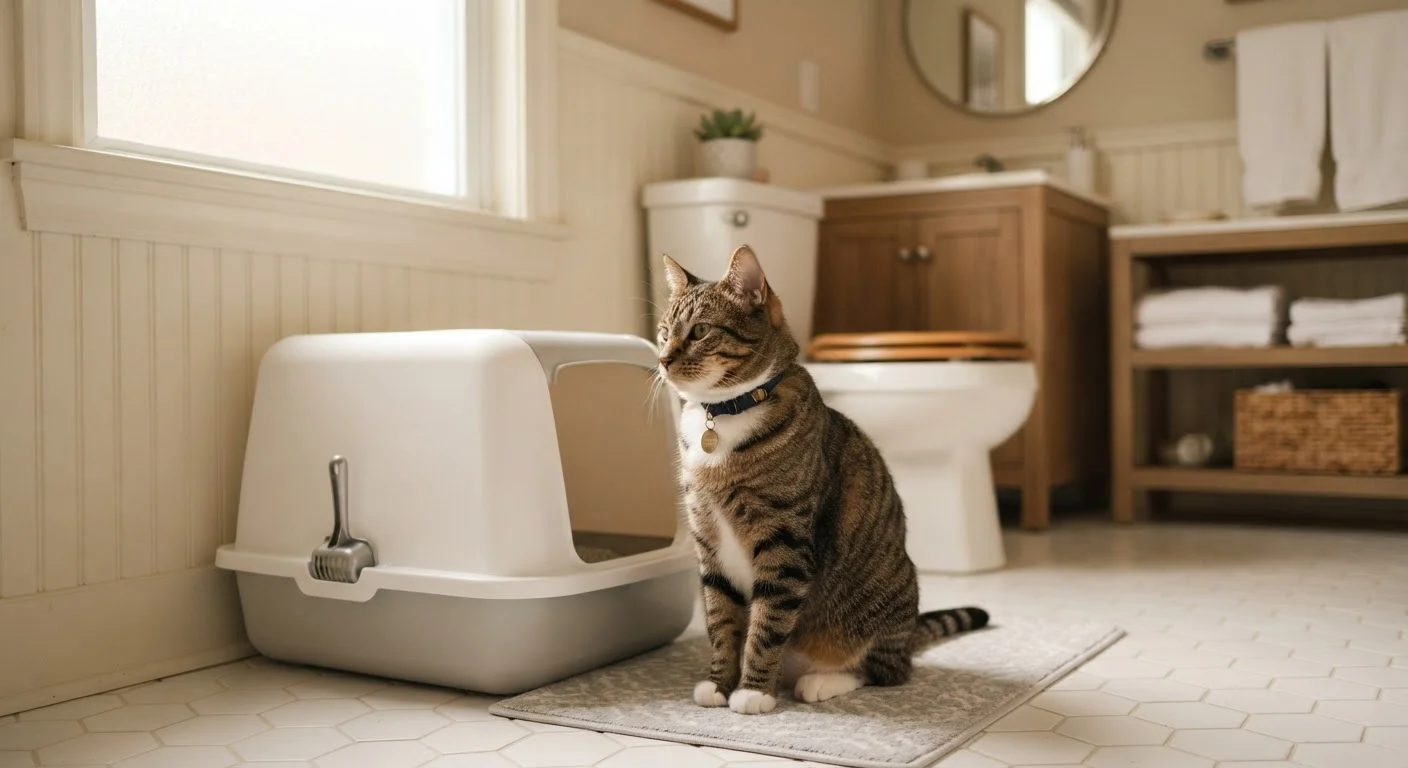
Why Cats Stop Using the Litter Box
Few things frustrate cat owners more than finding waste outside the litter box. The instinctive reaction is to assume the cat is being difficult - but that interpretation almost never holds up. Cats don't use inappropriate elimination as a form of revenge or protest. What looks like defiance is almost always communication: something about the box, its location, or the cat's physical health has become unacceptable to them.
Understanding that litter box problems are symptoms, not character flaws, is the first step toward solving them. It also means the solution is usually findable - once you know where to look. Below are the most common mistakes owners make when addressing these issues, and how to correct them.
Assuming the cat is being spiteful or acting out on purpose.
Why it happens: Human behavior often is intentional, so owners naturally project the same logic onto pets. The idea that a cat is "getting back at you" feels intuitive but isn't supported by how cats actually think or communicate.
Skipping a veterinary evaluation and going straight to behavioral fixes.
Why it happens: Many owners assume a clean, accessible box rules out a problem, so they jump to repositioning the box or switching litter without considering that the cat may be in pain.
Using a litter box that is too small for the cat's body.
Why it happens: Most commercially available boxes are sized for average adult cats, but larger breeds or older cats with reduced mobility may find them genuinely uncomfortable to enter and turn around in.
Placing the litter box in a high-traffic, noisy, or hard-to-reach location.
Why it happens: Owners often choose locations that are convenient for cleanup - laundry rooms, utility closets, basements - without considering whether the cat will feel safe and able to reach the spot quickly when needed.
Infrequent scooping or irregular cleaning schedules.
Why it happens: Daily scooping can feel tedious, and some owners underestimate how sensitive cats are to odor. A box that seems tolerable to a human nose may already be unacceptable to a cat.
Switching litter types abruptly without a gradual transition.
Why it happens: Owners often change litter for practical reasons - cost, dust, scent - and assume the cat will adapt. Cats, however, can be strongly habituated to a particular texture or smell and may reject a new type outright.
When to Stop Troubleshooting and Call the Vet
Environmental fixes are worth trying, but they should never substitute for a medical evaluation when there's any possibility of illness. Urinary tract infections, bladder crystals, kidney disease, arthritis, and diabetes can all cause a cat to avoid or struggle with the litter box. Cats are also instinctively skilled at hiding discomfort - by the time a behavioral change is obvious, a condition may already be progressing. See our guide to subtle illness cues for a fuller picture of what to watch for.
Straining or Crying Near the Box Is an Emergency
A cat that makes frequent, unproductive trips to the litter box - especially a male cat - may have a urinary blockage, which is a life-threatening condition requiring immediate veterinary care. Do not wait to see if the behavior resolves on its own. Contact a veterinarian or emergency animal clinic right away if you observe these signs.
If your adjustments don't produce improvement within a week or two, or if you notice blood in the urine, straining, frequent trips with little output, or crying near the box, treat this as urgent and contact your veterinarian promptly. It's also worth remembering that many common beliefs about cat behavior - including the idea that cats act out of spite - simply aren't supported by feline behavioral science.
Building Better Litter Box Habits for the Long Term
Once you've ruled out medical causes and corrected any obvious environmental problems, consistency becomes your best tool. Scoop at least once daily, do a full litter change and box wash regularly, and keep the box in a location that remains quiet and accessible. If you have multiple cats, follow the general guideline of one box per cat plus one extra - competition for resources is a common but overlooked trigger.
Avoid Punishing Your Cat for Accidents
Scolding, startling, or physically redirecting a cat after an accident outside the box does not teach the cat to use the box - it teaches them to fear you or to hide their elimination. Punishment after the fact is ineffective because cats cannot connect delayed consequences to a past action. Focus on identifying and addressing the root cause instead.
Setting up the litter area thoughtfully from the start - much like the broader approach outlined in our room-by-room checklist for new cat owners - prevents many problems before they begin. And just as scratching is driven by instinct rather than bad manners (see why cats scratch and how to redirect it), litter box avoidance has roots in biology and environment - not attitude. Approach it as a puzzle to solve, not a battle to win.
This article provides general information for educational purposes and is not a substitute for professional veterinary advice. If your cat is showing signs of distress or illness, consult a licensed veterinarian.
The content on this site is provided for informational purposes only and should not be considered a substitute for professional advice. While we strive to provide accurate and up-to-date information, we make no guarantees regarding its completeness or accuracy. Always consult a qualified professional for advice specific to your circumstances before making any decisions.