

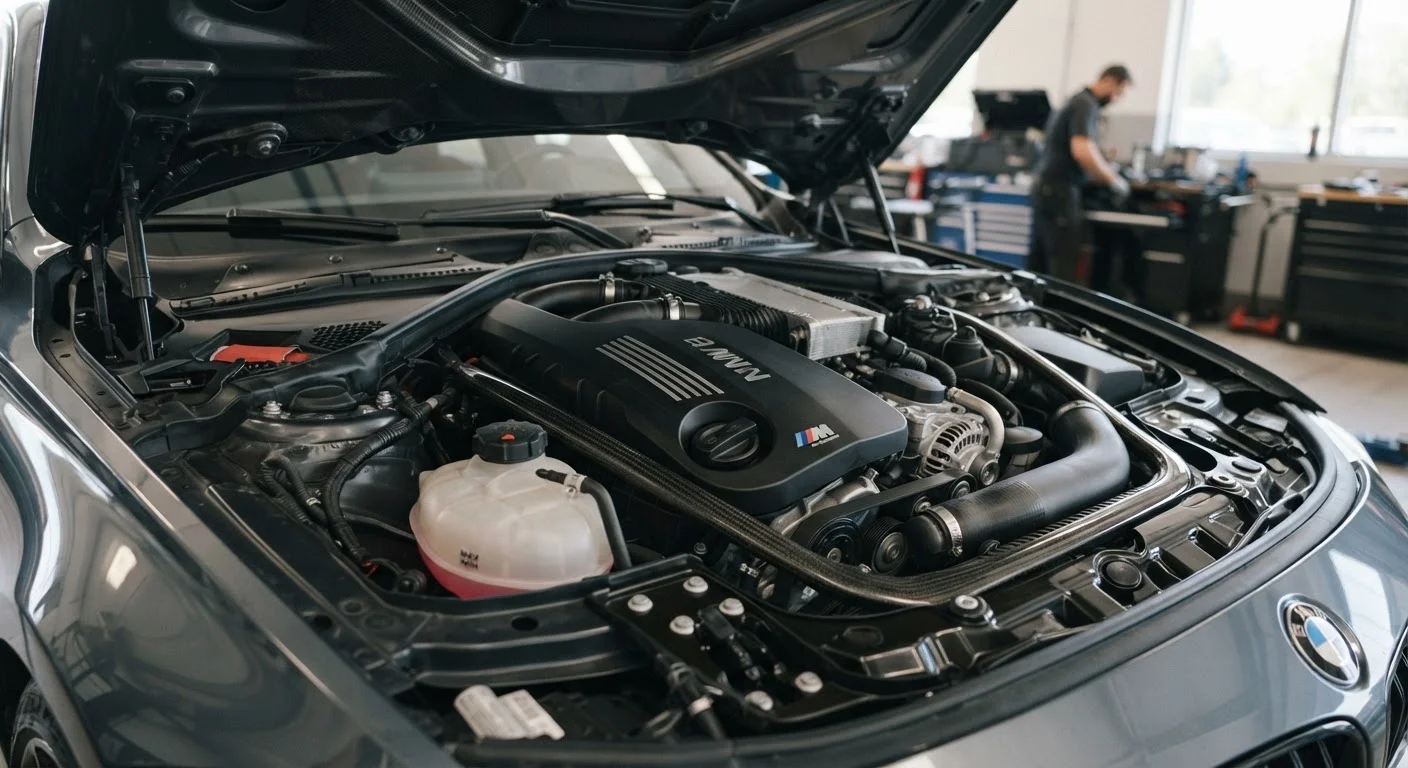
Why Knowing Your Car's Systems Matters
Most drivers interact with their vehicle every day without knowing what's actually keeping it running. That gap matters - not because you need to fix everything yourself, but because understanding the basics puts you in control. You'll notice warning signs sooner, describe problems accurately to a technician, and make more informed decisions about repairs.
Think of it the way you'd think about your home. You don't need to be an electrician to know that flickering lights suggest a wiring issue rather than a burned-out bulb. The same logic applies to your car. If you know the cooling system controls engine temperature, a rising temperature gauge instantly tells you something specific is wrong - and you know to pull over rather than keep driving.
This guide walks through each major system in plain language: what it does, what it's made of, and what warning signs to watch for. For a broader look at how these systems fit into ownership responsibilities, see our Car Ownership hub.
The Engine and Fuel System
The engine converts fuel into the mechanical energy that moves your vehicle. Most passenger cars use a four-stroke internal combustion engine - meaning each cylinder draws in air and fuel, compresses the mixture, ignites it, and expels the exhaust gases in four distinct strokes of a piston.
The fuel system delivers the right amount of gasoline (or diesel) at the right pressure. Key components include the fuel tank, fuel pump, fuel filter, and fuel injectors. Modern vehicles use electronic fuel injection, which precisely meters fuel based on sensor data, replacing the older carbureted systems you might hear about in older vehicles.
Engine oil lubricates moving parts and reduces heat from friction. Monitoring your oil level and condition - it darkens and thickens as it ages - is one of the simplest and most impactful things a driver can do. Low or dirty oil is a leading contributor to premature engine wear.
Pull your dipstick when the engine is cold and check oil color as well as level - if it looks more like dark sludge than amber liquid, it's overdue for a change regardless of mileage.
Oil condition is a direct indicator of engine health. Viscosity breakdown and contamination accelerate wear on bearings and cylinder walls, and visual inspection costs nothing.
If your brake pedal feels slightly lower or softer than usual, pump it once before driving and monitor - if it doesn't firm up or the sensation returns, schedule an inspection that day, not next week.
Pedal feel is the earliest and most accessible indicator of hydraulic brake issues. Soft pedal can indicate air in the lines or fluid loss, both of which degrade stopping performance progressively.
Warning signs to watch: rough idling, hesitation during acceleration, the check engine light, unusual fuel smells, or a sharp drop in fuel economy. See how these milestones connect to service intervals in our article on your car's maintenance schedule.
The Cooling System
Combustion generates enormous heat - enough to destroy engine components without active temperature management. The cooling system keeps the engine operating within a safe temperature range, typically between 195°F and 220°F for most gasoline engines.
Coolant (also called antifreeze) circulates from the engine through the radiator, where airflow dissipates heat, then back again. A thermostat regulates flow by staying closed until the engine reaches operating temperature, then opening to allow coolant circulation. The water pump drives that circulation.
Coolant reservoir level is something you can check yourself with the engine cold - never open the radiator cap on a hot engine, as pressurized coolant can cause serious burns. If the level drops repeatedly, that signals a leak that warrants professional inspection.
Warning signs: temperature gauge climbing toward the red zone, steam from the hood, a sweet smell (coolant has a distinctive odor), or the low coolant warning light. Overheating even briefly can cause lasting engine damage - pull over safely and allow the engine to cool before continuing.
Never Open a Hot Radiator Cap
When the engine is hot, the cooling system is pressurized. Removing the radiator cap releases that pressure suddenly, causing scalding coolant to spray outward. Always wait until the engine has cooled completely - typically at least 30 minutes after shutoff - before checking or adding coolant.
The Braking System
Disc brakes - now standard on most vehicles - use hydraulic pressure to squeeze brake pads against a metal rotor attached to each wheel. That friction converts kinetic energy into heat, slowing the vehicle. The driver's foot pressure on the pedal pushes brake fluid through lines to calipers that grip the rotor.
Brake fluid is hygroscopic, meaning it absorbs moisture over time. Water contamination lowers the fluid's boiling point, which can cause brake fade - reduced stopping power - especially under heavy or repeated braking such as descending a long hill.
Anti-lock braking systems (ABS) prevent wheel lockup during hard stops by rapidly modulating brake pressure. This preserves steering control during emergency maneuvers. Most modern vehicles also include electronic stability control, which uses the same wheel-speed sensors to detect and correct skids.
Warning signs: squealing or grinding noises during braking, a spongy or sinking brake pedal, pulling to one side, or vibration through the pedal. Any of these warrants prompt inspection by a qualified technician - braking performance is directly tied to safety. New to maintaining your vehicle? Our guide for new drivers covers the fundamentals without the jargon overload.
The Electrical System
Your car's electrical system has three main components working together: the battery, the alternator, and the starter motor. The battery provides the surge of power needed to start the engine and powers electronics when the engine is off. Once running, the alternator recharges the battery and powers all electrical loads.
Modern vehicles rely on electrical systems far more than older ones - from fuel injection and engine management to power windows, infotainment, and advanced driver-assistance systems. A failing electrical component can produce seemingly unrelated symptoms across multiple systems.
Warning signs: slow engine cranking at startup, dimming headlights, a battery warning light, or frequent need to jump-start. Most auto parts stores will test your battery's charge capacity at no charge - a useful diagnostic step before assuming you need a replacement. The Driving & Safety hub also covers how vehicle systems intersect with road-ready awareness.
~42%
Of car breakdowns linked to battery failure
According to AAA roadside assistance data, battery-related issues are consistently among the top causes of service calls each year.
195°F-220°F
Normal engine operating temperature range
Most gasoline passenger car engines are designed to run within this band; sustained operation above it accelerates component wear and risks head gasket failure.
The Exhaust and Emissions System
After combustion, exhaust gases exit through the exhaust manifold, travel along pipes past the catalytic converter, through the muffler, and out the tailpipe. The catalytic converter is the emissions workhorse - it chemically transforms harmful pollutants like hydrocarbons, carbon monoxide, and nitrogen oxides into less harmful gases before they're released.
The oxygen sensors (O2 sensors) monitor exhaust composition and report back to the engine's computer, which adjusts the fuel mixture for efficiency and emissions compliance. A failing O2 sensor or catalytic converter will typically trigger the check engine light and can noticeably reduce fuel economy.
Tampering with or removing emissions components is illegal in most U.S. jurisdictions and can result in failed inspections. If your check engine light is on, a diagnostic scan - available at many auto parts stores - can retrieve the fault code and point to the specific component involved.
Putting It All Together
Each system in your vehicle is interdependent. An engine running too hot stresses the cooling system and can damage seals that lead to oil leaks. Worn brake pads that go unchecked can score rotors, turning a simple pad replacement into a more costly repair. A weakening battery puts extra load on the alternator, shortening its service life.
Understanding these connections doesn't require mechanical training - it requires awareness. Check fluid levels regularly (oil, coolant, brake fluid), pay attention to new sounds or dashboard lights, and don't postpone symptoms that affect braking or temperature. Early action almost always costs less than delayed action.
For a structured look at when each service is due, our maintenance schedule guide decodes the intervals in your owner's manual. The better you understand what each system does, the more confidently you can manage the car you depend on every day.
This article provides general educational information about vehicle systems and is not a substitute for diagnosis or repair advice from a qualified automotive technician. Always consult a licensed mechanic for vehicle-specific concerns.
The content on this site is provided for informational purposes only and should not be considered a substitute for professional advice. While we strive to provide accurate and up-to-date information, we make no guarantees regarding its completeness or accuracy. Always consult a qualified professional for advice specific to your circumstances before making any decisions.