

The Hidden Cost of 'It Can Wait'
Few decisions feel as harmless in the moment as deciding a minor car issue isn't worth fixing today. A small oil leak, a belt that squeaks occasionally, a brake pad that's thinning but still functional - these seem like manageable inconveniences. The problem is that vehicles are deeply interconnected systems. A failure in one component rarely stays contained.
Understanding why deferred maintenance compounds is the first step to breaking the cycle. The mistakes below represent the patterns that land everyday drivers with repair bills far larger than the original problem warranted. Recognizing them is how you avoid them.
Ignoring a slow fluid leak because the level stays drivable.
Why it happens: Drivers top off the fluid and assume the problem is managed. Because nothing seems to break immediately, the leak feels tolerable.
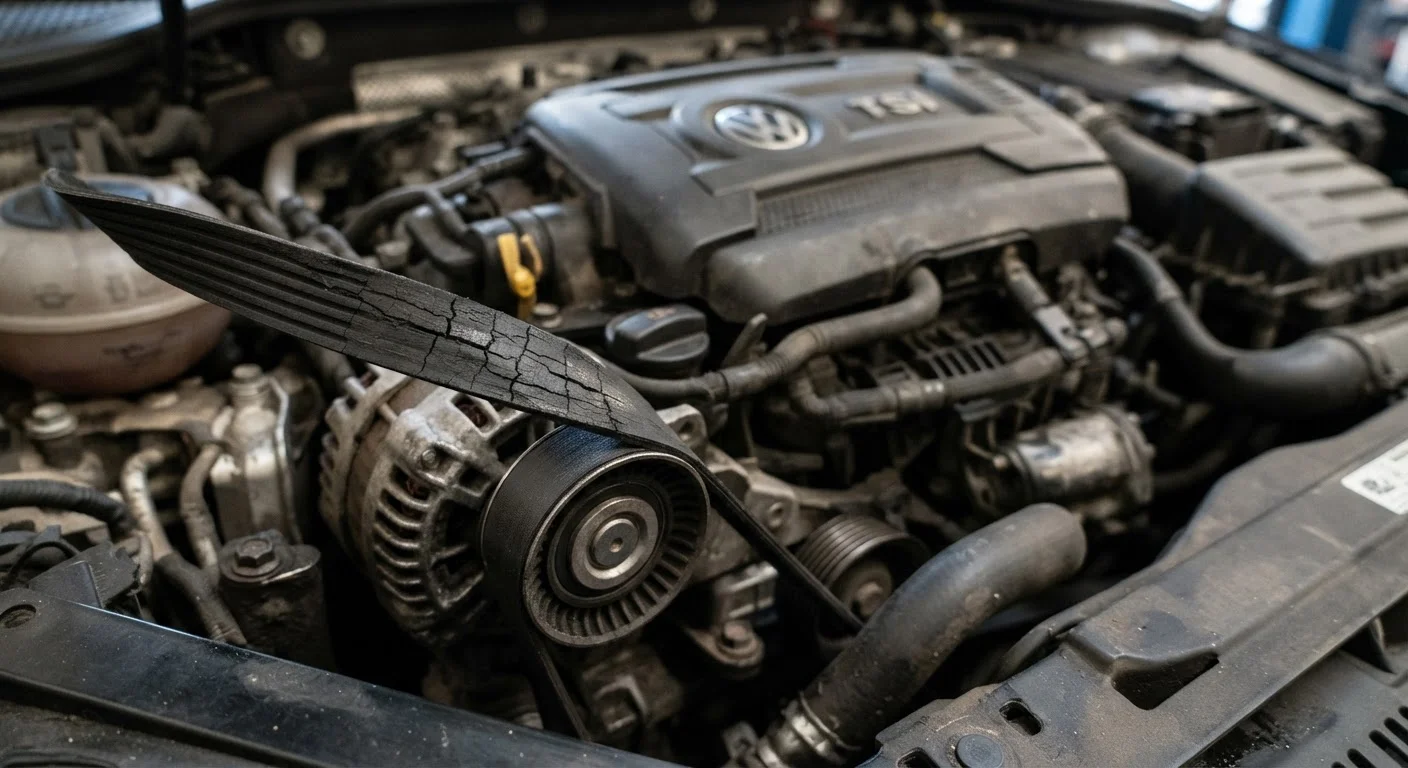
Putting off belt and hose replacement until visible failure occurs.
Why it happens: Belts and hoses look functional long after they've degraded internally. Without obvious breakage, it's easy to assume they're fine.
Delaying brake pad replacement once the wear indicator squeals.
Why it happens: The squeal starts, then sometimes stops, which drivers interpret as the problem resolving. In reality, the indicator may have worn past the point of contact.
Skipping coolant flushes because the engine temperature reads normal.
Why it happens: Coolant degradation isn't visible on the dashboard. As long as the temperature gauge is stable, the system seems fine.
Dismissing unusual vibrations or noises as 'just how the car drives.'
Why it happens: Symptoms that appear gradually get normalized over time. Drivers adapt to them rather than investigating their cause.
Why Vehicle Systems Don't Fail in Isolation
Modern vehicles rely on dozens of interdependent systems - cooling, lubrication, power transmission, braking - where stress in one area transfers directly to another. A failing water pump doesn't just cause overheating; it can warp a cylinder head, destroy a head gasket, and contaminate engine oil. The repair cost escalates from hundreds to potentially thousands of dollars.
~$1,200
Average cost of a timing belt replacement
Industry repair data consistently shows timing belt service costs a fraction of engine repair bills that result from belt failure - which can exceed $4,000 or more.
85%
Of roadside breakdowns are preventable
According to the American Automobile Association (AAA), the large majority of vehicle breakdowns are related to maintenance issues that could have been identified and addressed earlier.
The same logic applies beyond the engine. Worn suspension components accelerate tire wear. A dragging brake caliper generates excess heat that degrades brake fluid. Low power steering fluid stresses the pump until it seizes. None of these failures announce themselves loudly at first - they grow quietly until they don't.
This is why keeping a detailed maintenance log matters so much. Tracking service intervals and noting early symptoms gives you - and your mechanic - a timeline that makes problems easier to catch and diagnose before they compound.
It's also worth reading up on costly ownership decisions that seem reasonable at the time, many of which follow the same pattern of short-term thinking creating long-term expense.
Don't Attempt Diagnosis on Fluid or Brake Issues Alone
Brake system and cooling system problems can escalate quickly and have direct safety consequences. If you notice fluid loss, brake noise, or temperature gauge changes, have the vehicle inspected by a qualified mechanic before driving it extensively. Some issues that appear minor can compromise vehicle control without further warning.
If your car has crossed the 100,000-mile mark, the stakes of deferred maintenance rise further. Maintenance priorities shift meaningfully on high-mileage vehicles, and what was a minor item at 60,000 miles may be a critical one at 120,000.
The content on this site is provided for informational purposes only and should not be considered a substitute for professional advice. While we strive to provide accurate and up-to-date information, we make no guarantees regarding its completeness or accuracy. Always consult a qualified professional for advice specific to your circumstances before making any decisions.