

Why 'Good Enough for Now' Becomes Expensive Later
Most costly ownership decisions aren't the result of carelessness - they're the result of reasoning that made sense at the time. Skipping a recall repair when the car runs fine, keeping the same insurance policy from five years ago, or rolling a rustproofing package into a monthly payment all feel like reasonable choices in the moment. The problem is that these decisions tend to compound quietly, surfacing as large, unexpected expenses down the road.
Car ownership involves ongoing financial trade-offs, and the hidden costs of car ownership extend well beyond the purchase price. Understanding where common judgment errors occur is the first step to avoiding them.
~9,000
Annual cost of U.S. car ownership on average
According to AAA's annual 'Your Driving Costs' study, the average annual cost to own and operate a vehicle in the U.S. runs into thousands of dollars when all expenses are included.
≈ 30%
Typical first-year vehicle depreciation
Many vehicles lose roughly 20-30% of their value in the first year, which directly affects how much comprehensive insurance coverage is actually worth carrying on older cars.
The Most Common Missteps - and How to Correct Them
The mistakes below aren't rare edge cases. They show up consistently across vehicle types, income levels, and ownership experience. Each one is preventable with the right information at the right time.
Ignoring open safety recalls because the car 'seems fine.'
Why it happens: Owners assume a recall means an imminent breakdown. In reality, many recalled vehicles run normally right up until the defect causes a sudden, dangerous failure.
Carrying comprehensive and collision coverage on a vehicle whose market value no longer justifies the premium cost.
Why it happens: Owners set their insurance policy when the car was new and rarely revisit coverage as the vehicle ages and depreciates significantly.
Deferring minor repairs - a slow oil leak, worn wiper blades, a marginal brake pad - to save money in the short term.
Why it happens: The vehicle continues to operate normally, making the problem feel low-priority. The immediate repair cost feels avoidable.
Purchasing dealer-sold add-ons - paint protection film, GAP insurance through the dealer, nitrogen tire fills - without comparing their actual value.
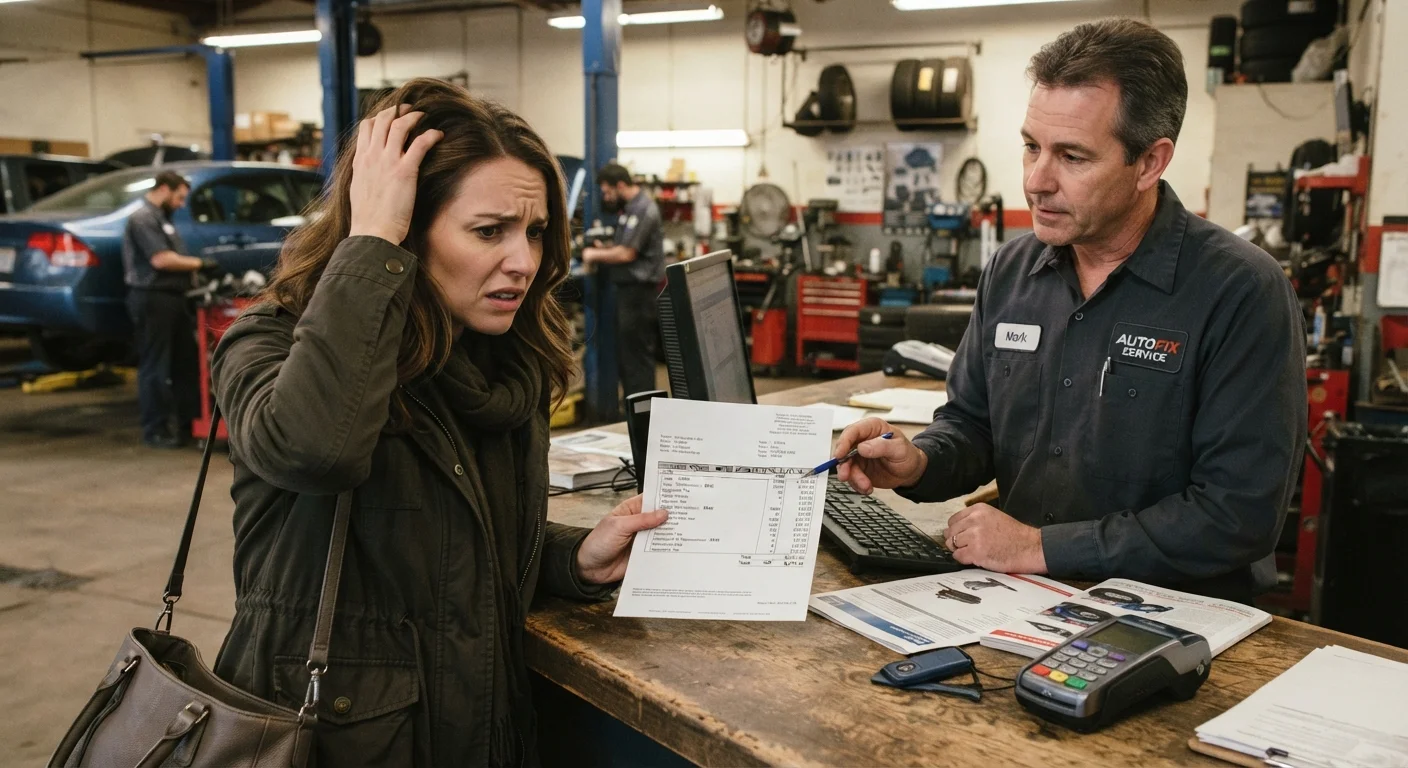
Why it happens: These products are presented during an emotionally charged buying moment, bundled into monthly payments so the true cost is obscured.
Buying an extended warranty without fully reading the exclusions.
Why it happens: Marketing language emphasizes 'bumper-to-bumper' and 'peace of mind,' leading buyers to assume coverage is broader than it actually is.
Using premium fuel in an engine that only requires regular unleaded.
Why it happens: Owners believe premium fuel improves performance or protects the engine in all vehicles, when it only provides benefit in engines specifically designed to require it.
Open Recalls Are a Safety Issue, Not a Convenience Issue
Manufacturer recalls address defects that can directly cause accidents, fires, or mechanical failures. The National Highway Traffic Safety Administration (NHTSA) maintains a free searchable database at nhtsa.gov where owners can check their vehicle identification number (VIN). Recall repairs are performed at no charge by authorized dealerships - there is no financial reason to delay.
For owners who handle some of their own upkeep, it's also worth understanding the genuine limits of DIY maintenance. The case for and against DIY car maintenance outlines where self-service saves money and where it creates risk.
Insurance decisions deserve the same periodic scrutiny as mechanical ones. As a vehicle depreciates - and the depreciation curve can be steeper than most owners expect - the coverage that made sense at purchase may no longer align with the car's actual value. Reviewing your policy annually takes minutes and can reveal meaningful savings.
Extended Warranties Vary Dramatically in Coverage
Many aftermarket extended service contracts exclude the very components most likely to fail on high-mileage vehicles, such as electronics, seals, and wear items. Before purchasing, read the exclusions list - not just the coverage highlights - and verify whether the contract is backed by the manufacturer or a third-party administrator, since third-party providers vary widely in reliability.
Finally, financing decisions made at the dealership can quietly reshape total ownership costs. The leasing vs. financing comparison is one piece of that picture - but add-ons negotiated during closing represent an equally important area to scrutinize carefully before signing.
The content on this site is provided for informational purposes only and should not be considered a substitute for professional advice. While we strive to provide accurate and up-to-date information, we make no guarantees regarding its completeness or accuracy. Always consult a qualified professional for advice specific to your circumstances before making any decisions.