

What the Sticker Price Doesn't Tell You
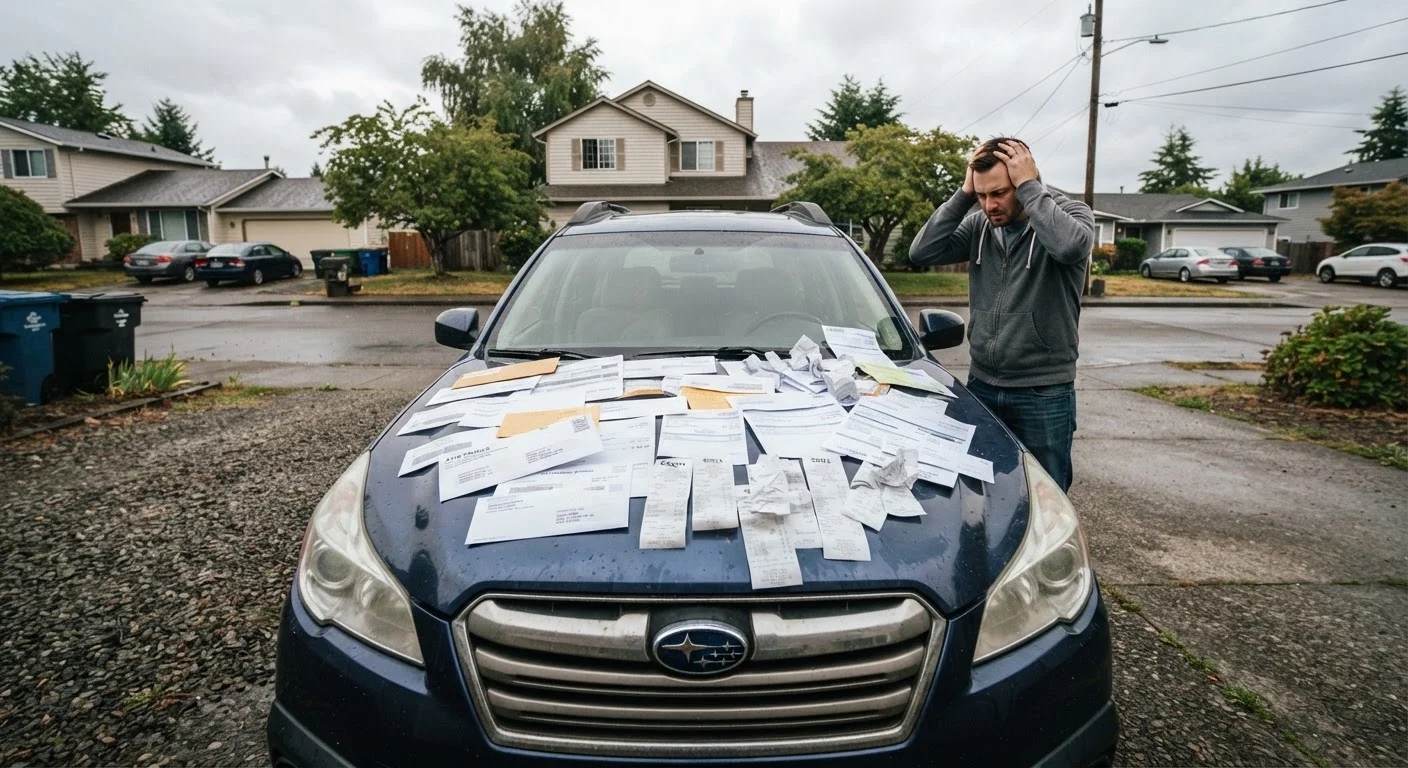
Most people planning to buy a car focus on the monthly payment and the purchase price. Those numbers are real, but they represent only a fraction of what that vehicle will actually cost you over time. The true picture emerges only when you add up the recurring, one-time, and often-overlooked expenses that accumulate throughout a vehicle's life.
Whether you're a first-time owner or a seasoned driver, understanding the full cost structure changes how you evaluate what you can genuinely afford. The list below covers the expenses that routinely blindside even careful budgeters.
Depreciation
Depreciation is the single largest ownership cost for most drivers, yet it never shows up on a monthly statement. A new vehicle can lose a significant portion of its value in the first year, and the steepest drops often occur well before most owners anticipate them. Even used vehicles continue to depreciate - just at a slower rate. This loss affects your net worth directly, whether or not you ever plan to sell.
Depreciation also determines how much equity you hold if you finance a vehicle. Buying more car than you need, or purchasing a model with a historically weak resale trajectory, compounds this cost substantially.
Depreciation is the largest ownership cost most drivers never see on a bill.
Insurance Premiums
Auto insurance is legally required in nearly every state, but the premium varies enormously based on your driving record, location, vehicle type, age, credit score in most states, and coverage selections. Premiums also tend to adjust at renewal - sometimes significantly - in ways that feel disconnected from your own driving behavior, driven by broader actuarial trends in your region.
Many owners select a coverage level at purchase and never revisit it. As a vehicle ages and its value drops, the appropriate coverage may shift. Financing and leasing arrangements often mandate specific coverage minimums that disappear once a loan is paid off, opening room to adjust.
Insurance premiums can shift at renewal for reasons entirely outside your control.
Fuel Costs
Fuel is a variable cost that drivers tend to underestimate in aggregate. The gap between a vehicle's EPA-rated fuel economy and real-world performance under typical driving conditions - city traffic, highway merging, climate control use - is often notable. Over tens of thousands of miles, even a few miles-per-gallon difference between vehicles compounds into hundreds of dollars annually.
The maintenance choices you make also affect fuel economy. Underinflated tires, a clogged air filter, or a misfiring spark plug all reduce efficiency in measurable ways.
Real-world fuel costs consistently exceed what EPA estimates suggest at purchase.
Scheduled Maintenance
Oil changes, tire rotations, fluid flushes, air filter replacements, spark plugs, and timing belt or chain services are all scheduled at intervals in every vehicle's owner manual - and every one of them costs money. These aren't surprises; they're predictable events that owners frequently fail to budget for in advance.
The cost of scheduled maintenance varies by vehicle type and service provider. Luxury and European-brand vehicles often carry significantly higher parts and labor costs than domestic or Japanese alternatives. Understanding your vehicle's service schedule before you buy is one of the most practical steps you can take - and separating maintenance fact from fiction helps ensure you're spending on what's actually necessary.
Every vehicle's service schedule is a predictable cost roadmap most owners never consult.
Tires and Brakes
Tires and brake components wear out under normal use and must be replaced on a recurring cycle. Tire lifespan depends on driving habits, road conditions, wheel alignment, and rotation frequency. A full set of four tires for many vehicles runs into several hundred dollars, and performance or specialty fitments cost substantially more.
Brakes - pads, rotors, and eventually calipers - are similarly recurring. Drivers who frequently brake hard in stop-and-go traffic will replace these components sooner than highway commuters. Neither tires nor brakes are optional: both are fundamental to vehicle safety.
Tires and brakes are non-negotiable safety items with real recurring replacement costs.
Registration, Taxes, and Emissions Testing
Annual vehicle registration fees vary widely by state and sometimes by county. Some states base fees partly on vehicle value or weight, making newer or larger vehicles considerably more expensive to register each year. Sales tax at purchase can add thousands to the upfront cost depending on where you live, and some states also assess personal property tax on vehicles annually.
Emissions testing - required in many states - carries its own fee and, if your vehicle fails, can lead to repair costs before you can legally renew registration. These government-mandated costs are entirely predictable yet routinely absent from ownership budget calculations.
State registration and tax obligations vary sharply and can add hundreds per year.
Financing Interest
For drivers who finance a vehicle, the total interest paid over the loan term is a real ownership cost - one that's easy to overlook when focusing on the monthly payment. A longer loan term lowers the monthly payment but increases total interest paid, and financing a vehicle at a high interest rate can add thousands of dollars to the effective purchase price over time.
The full lifecycle of a vehicle includes financing as a cost center from the first month of ownership through payoff, and understanding that number upfront helps owners make more informed decisions about loan terms and down payments.
Total financing interest is a real ownership cost that monthly payments obscure.
Parking and Tolls
For drivers in urban or suburban markets, parking costs - monthly garage fees, daily lots, metered street parking - accumulate steadily. Tolls on bridges, tunnels, and express lanes add another layer, particularly for commuters who travel the same roads repeatedly. These costs are often paid in small increments that feel minor but total to significant sums annually.
Electronic toll systems have made toll collection more seamless, which also makes it easier to underestimate how much you're spending. Tracking these costs for a single month typically reveals a number larger than most owners expect.
Parking and tolls paid in small daily amounts can add up to hundreds annually.
Building a More Complete Ownership Budget
The hidden costs described above aren't fringe concerns - they're consistent, documented expenses that come with owning any vehicle. When totaled annually, these line items can easily rival or exceed a car loan payment for many owners.
Try a Full Annual Cost Estimate First
Before finalizing a vehicle decision, add up 12 months of estimated insurance, fuel, registration, and at least one scheduled service visit. Divide by 12 to get your true monthly cost. This number, combined with the loan payment, gives you a far more accurate picture of affordability than the payment alone - and often changes the math on how much vehicle makes financial sense.
A useful exercise: before committing to a vehicle, estimate annual costs for insurance, fuel, registration, and at least one significant maintenance event. That number, divided by twelve, gives a truer monthly ownership cost than the payment alone. For a deeper look at how a vehicle's value drops over time - which directly affects what you recoup if you sell - see how depreciation curves actually work.
Ownership decisions compound over time, too. Common missteps that seem reasonable in the moment - skipping services, deferring tire replacement, choosing the wrong coverage level - tend to translate into larger expenses down the road. Planning ahead for predictable costs is one of the most effective ways to reduce total ownership expense over a vehicle's lifetime.
The content on this site is provided for informational purposes only and should not be considered a substitute for professional advice. While we strive to provide accurate and up-to-date information, we make no guarantees regarding its completeness or accuracy. Always consult a qualified professional for advice specific to your circumstances before making any decisions.