

Our Verdict
DIY car maintenance makes genuine sense for routine, well-documented tasks like oil changes, air filter swaps, and wiper replacements - work where the risk of error is low and the learning curve is manageable. It stops making sense when safety systems, specialized tools, or diagnostic software enter the picture. The most effective approach for most drivers is a hybrid one: handle the straightforward upkeep yourself, and know when to hand the keys to a qualified mechanic.
Best for mechanically curious drivers who are comfortable following technical instructions, have access to basic tools, and are working on routine maintenance rather than complex repairs.
What DIY Car Maintenance Actually Covers
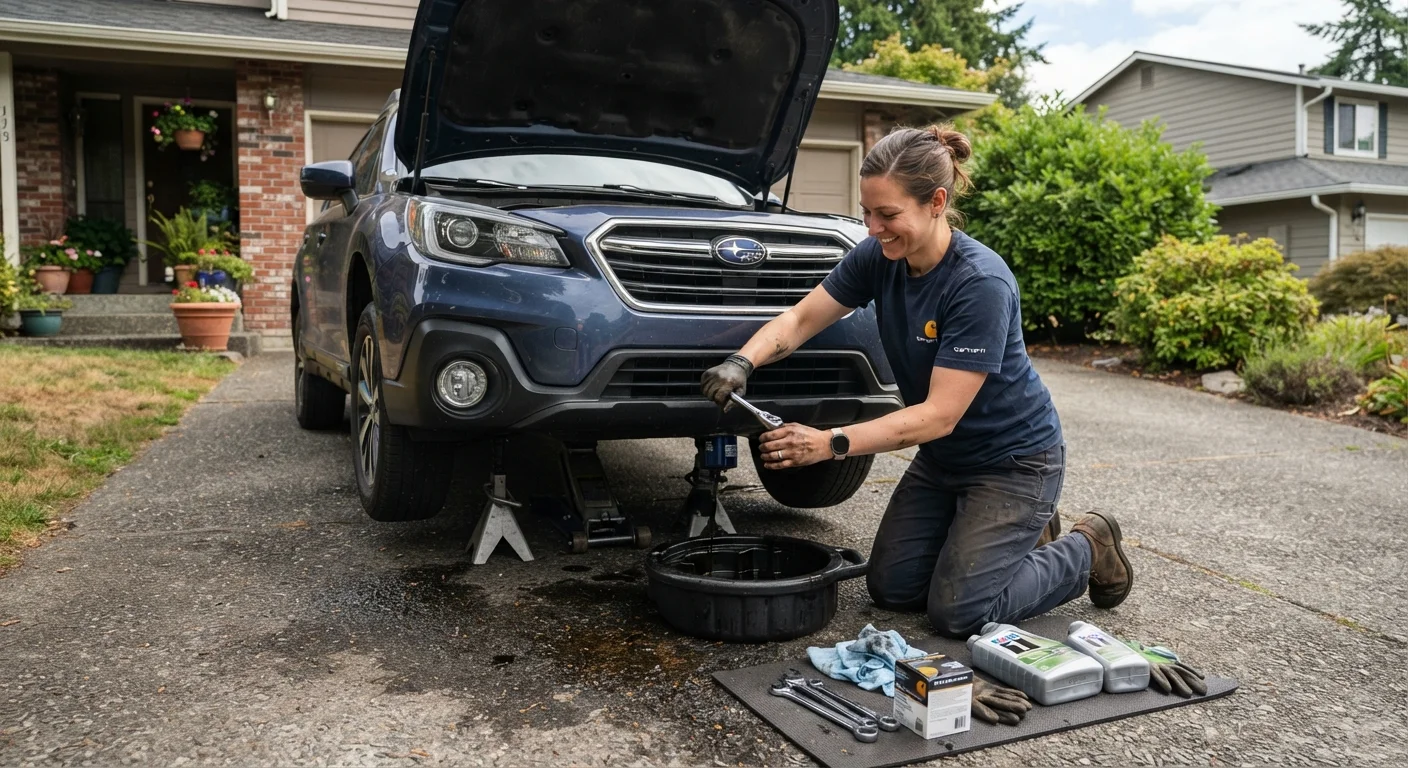
"DIY car maintenance" spans a wide range - from swapping a cabin air filter in ten minutes to attempting a timing belt replacement over a weekend. The tasks most drivers realistically handle fall into a narrower category: fluid checks and top-offs, oil and filter changes, wiper blade replacements, battery swaps, spark plug changes, and light bulb replacements. These jobs share common traits - they require basic tools, they're well-documented in owner's manuals and service guides, and they carry low consequences for minor errors.
Beyond that tier, complexity rises fast. Brake pad replacements, for example, are technically accessible but demand precision and an understanding of how the entire braking system functions together. Suspension work, coolant system repairs, and anything touching the transmission or emissions controls generally require either specialized equipment or manufacturer-level knowledge. The honest starting point for any driver is an accurate self-assessment of where their skill level actually sits - not where they'd like it to be.
The Real Advantages of Doing It Yourself
The most immediate benefit of DIY maintenance is cost reduction. Labor rates at independent shops and dealerships vary widely by region, but even routine services carry a markup over the cost of parts alone. Doing your own oil change, for instance, means paying only for the oil and filter - not the technician's time. Across years of ownership, those savings compound.
Reduces routine maintenance costs over time
Performing your own oil changes, filter swaps, and fluid top-offs eliminates labor charges that add up significantly across years of vehicle ownership.
Builds familiarity with your own vehicle
Hands-on maintenance gives drivers a clearer sense of how their car operates, making it easier to notice early warning signs before they escalate.
Offers scheduling flexibility
You can perform maintenance on your own timeline rather than arranging shop appointments, which can be especially useful for straightforward tasks with short service windows.
Develops practical mechanical skills
Starting with simple tasks builds confidence and competence that can make future maintenance easier, reducing long-term dependence on external services for routine work.
Beyond the financial side, there's a practical upside to understanding your own vehicle. Drivers who perform their own maintenance often catch developing issues earlier - a worn belt noticed during an oil change, for example, or a slow coolant leak spotted while checking fluid levels. That kind of familiarity can directly support better upkeep decisions. Pairing it with a structured record-keeping habit makes it even more effective; see our guide to keeping a maintenance log for a practical framework.
The Risks and Limits You Shouldn't Ignore
DIY maintenance has a hard boundary, and crossing it can be costly. Incorrect repairs don't just fail - they can create new problems, mask symptoms that a mechanic needs to diagnose accurately, or in the case of brake or steering work, create genuine safety hazards. A poorly seated brake caliper or an improperly torqued wheel can have serious consequences on the road.
Errors can create new or worsening problems
An improperly performed repair can damage components that were previously functional, leading to repair bills that exceed what professional service would have cost.
Safety-critical work carries real risk
Mistakes in brake, steering, or suspension systems don't just cause mechanical failures - they can create hazardous driving conditions that put the driver and others at risk.
Many tasks require specialized tools
Jobs like wheel balancing, alignment, and OBD-II diagnostic scanning require equipment that most home mechanics don't have and that isn't practical to purchase for occasional use.
May affect warranty coverage
Using non-specified parts or fluids, or performing work outside manufacturer guidelines, can create complications with warranty claims - particularly on newer vehicles.
Diagnostic limitations are a real constraint
Modern vehicles rely heavily on electronic control systems; without professional-grade diagnostic tools, identifying the root cause of a warning light or performance issue is often guesswork.
Warranty implications are another factor often overlooked. Many newer vehicles have specific maintenance requirements tied to warranty coverage, and using non-approved fluids or skipping manufacturer-specified intervals - even if you're doing the work correctly - can create complications. As noted in our piece on costly ownership decisions, skipping or mishandling maintenance often costs more in the long run than it saves upfront.
There's also the tool gap. Tasks like tire rotation and alignment require equipment most home mechanics don't own. Attempting alignment without proper tools is a common example of a job that looks approachable but isn't - for a clearer picture of what each service actually involves, see our breakdown of tire rotation, balancing, and alignment.
When a Professional Is the Right Call
Any repair involving the braking system, airbags, or steering components should be handled by a qualified mechanic - not because DIY is always wrong, but because the consequences of an error in these systems are serious. If you're unsure whether a task falls into this category, checking your owner's manual or consulting a trusted mechanic before starting is always the right move. Some work also requires permits or inspections depending on local regulations.
Making the Call: DIY or Shop?
The decision comes down to three factors: task complexity, available tools, and honest risk assessment. For straightforward maintenance items clearly described in your owner's manual, DIY is often a reasonable choice. For anything involving safety-critical systems - brakes, steering, airbags, traction control - a qualified mechanic isn't optional caution, it's sound judgment.
Deferred maintenance of any kind, whether DIY or professional, compounds over time. Small repairs left unaddressed routinely escalate into larger failures - the repair you put off to save money often costs far more when it eventually demands attention. That principle applies equally whether you're the one turning the wrench or paying someone else to.
The most practical approach for most drivers isn't all-or-nothing. Learn what you can do safely and well, document everything you do, and build a relationship with a mechanic you trust for the work that genuinely warrants professional attention.
The content on this site is provided for informational purposes only and should not be considered a substitute for professional advice. While we strive to provide accurate and up-to-date information, we make no guarantees regarding its completeness or accuracy. Always consult a qualified professional for advice specific to your circumstances before making any decisions.