

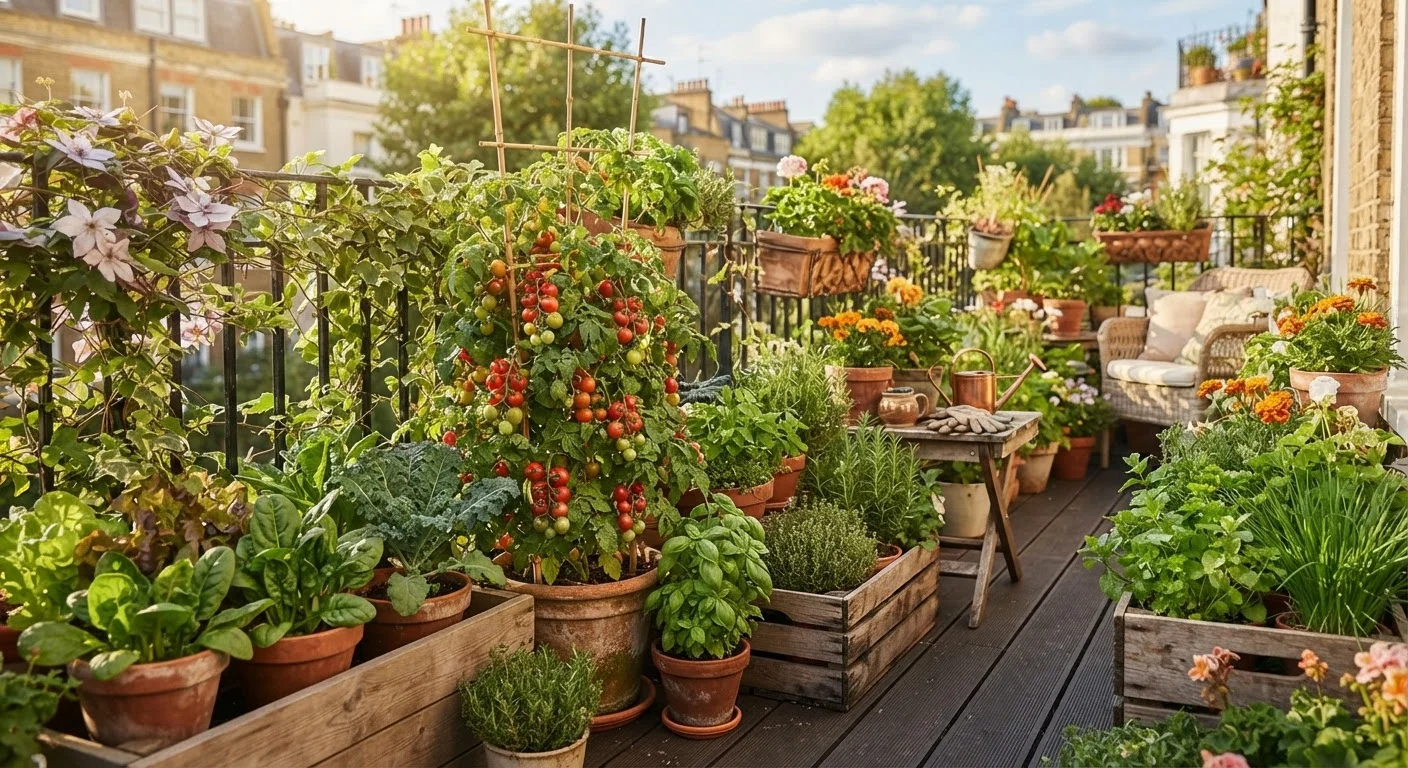
Why Small Spaces Don't Have to Mean Small Harvests
Many American homeowners assume a productive vegetable garden requires a sprawling backyard plot. In reality, a balcony railing, a narrow side yard, or even a sunny windowsill can yield a meaningful supply of fresh vegetables - if you choose the right crops and set them up correctly.
The key is matching plant needs to what your space can genuinely offer: adequate light, sufficient container depth, and consistent moisture. Before you plant, it's worth understanding the basics of soil, sun, and space so you can set realistic expectations for your specific setup. Once those fundamentals are in place, the vegetables below are reliably well-suited to compact conditions.
Lettuce and Salad Greens
Lettuce is arguably the most forgiving small-space vegetable you can grow. Its shallow root system - typically 6 inches or less - makes it perfectly suited to window boxes, shallow troughs, or any container at least 6 inches deep. Loose-leaf varieties like oak leaf or red romaine allow you to harvest outer leaves continuously rather than waiting for a full head.
Salad greens also tolerate partial shade better than most vegetables, making them practical for balconies with limited direct sun. Succession planting every two to three weeks keeps your harvest going rather than producing everything at once.
Lettuce's shallow roots and shade tolerance make it the most beginner-friendly small-space crop.
Radishes
Radishes mature in as few as 22 to 30 days, making them one of the fastest rewards in small-space gardening. They need only about 6 inches of soil depth and fit comfortably between slower-growing plants, effectively turning unused container space into productive growing area.
Beyond speed, radishes are useful companion plants - their pungent scent can deter some common pests. Their quick turnaround also makes them ideal for filling gaps between plantings of longer-season crops like tomatoes or peppers.
Radishes mature in under a month, making them perfect for impatient gardeners with limited space.
Cherry Tomatoes (Compact and Dwarf Varieties)
Cherry tomatoes are a top choice for container gardens, but variety selection is critical. Look for determinate or dwarf types labeled for container use - these stay compact and don't require the extensive staking that indeterminate vines need. A container of at least 5 gallons supports a single plant well.
They need full sun - at least six hours of direct light daily - and consistent watering to prevent blossom end rot, a common calcium-uptake issue triggered by irregular moisture. With those conditions met, a single plant can produce a generous harvest across several weeks.
Choosing a dwarf or determinate tomato variety is essential - the wrong type quickly outgrows a container.
Bush Beans
Unlike pole beans, bush beans don't require a trellis, which makes them significantly more practical for compact growing setups. They grow 12 to 24 inches tall and do well in containers at least 8 to 10 inches deep. A single large planter or several grouped medium containers can produce a useful yield over their 50-to-60-day growing season.
Direct sow bush beans rather than transplanting them - they don't tolerate root disturbance well. Plant seeds one to two inches deep and thin to avoid overcrowding, which reduces airflow and encourages fungal issues.
Bush beans require no trellis and yield reliably from a single large container without much fuss.
Kale and Swiss Chard
Both kale and Swiss chard are cut-and-come-again crops, meaning you harvest individual outer leaves and the plant keeps producing. This extended productivity makes them especially efficient for gardeners with limited growing room. They require containers at least 8 to 12 inches deep and tolerate cooler temperatures well, extending your growing season into fall in most U.S. regions.
Swiss chard adds ornamental value with its brightly colored stems - a practical consideration when your garden is visible from a patio or entryway. Both crops are nutritionally dense and versatile in the kitchen, providing strong return on the space they occupy.
Cut-and-come-again harvesting means kale and chard keep producing from the same plant for weeks.
Green Onions (Scallions)
Green onions take up almost no horizontal space, grow in 3-to-4-inch-deep soil, and mature in roughly 60 days from seed. They're among the easiest crops to tuck into the edges of other containers, effectively using space that would otherwise go to waste.
One low-cost trick: regrow scallion roots you've saved from grocery store bundles by placing them in shallow water until new growth appears, then transplanting to soil. This approach won't replace fresh planting entirely, but it extends your harvest with minimal effort or expense.
Green onions are ideal for filling the unused edges of containers already growing other crops.
Setting Your Small-Space Garden Up for Success
Whichever vegetables you choose, a few practices separate thriving container gardens from struggling ones. First, use a high-quality potting mix - not garden soil, which compacts in containers and restricts root growth. Second, water more frequently than you would an in-ground bed, since containers dry out faster, especially in summer heat. Third, feed plants with a balanced fertilizer every two to three weeks, since nutrients leach out with regular watering.
Maximize Yield With Quality Potting Mix
Always use a potting mix specifically formulated for containers - not garden soil or topsoil, which compact over time and restrict drainage. A mix that includes perlite or coarse vermiculite improves aeration and helps prevent waterlogging. Refreshing or topping off your mix each season maintains nutrient levels and good soil structure.
If you're weighing whether a small raised bed might serve you better than containers, our comparison of raised beds vs. in-ground planting lays out the real trade-offs. And if you're deciding how to start your plants, seeds vs. transplants walks through timing and effort differences that matter even more in a small-space context. With the right crops, the right containers, and consistent care, even the most limited outdoor space can reward you with a genuine harvest.
The content on this site is provided for informational purposes only and should not be considered a substitute for professional advice. While we strive to provide accurate and up-to-date information, we make no guarantees regarding its completeness or accuracy. Always consult a qualified professional for advice specific to your circumstances before making any decisions.