

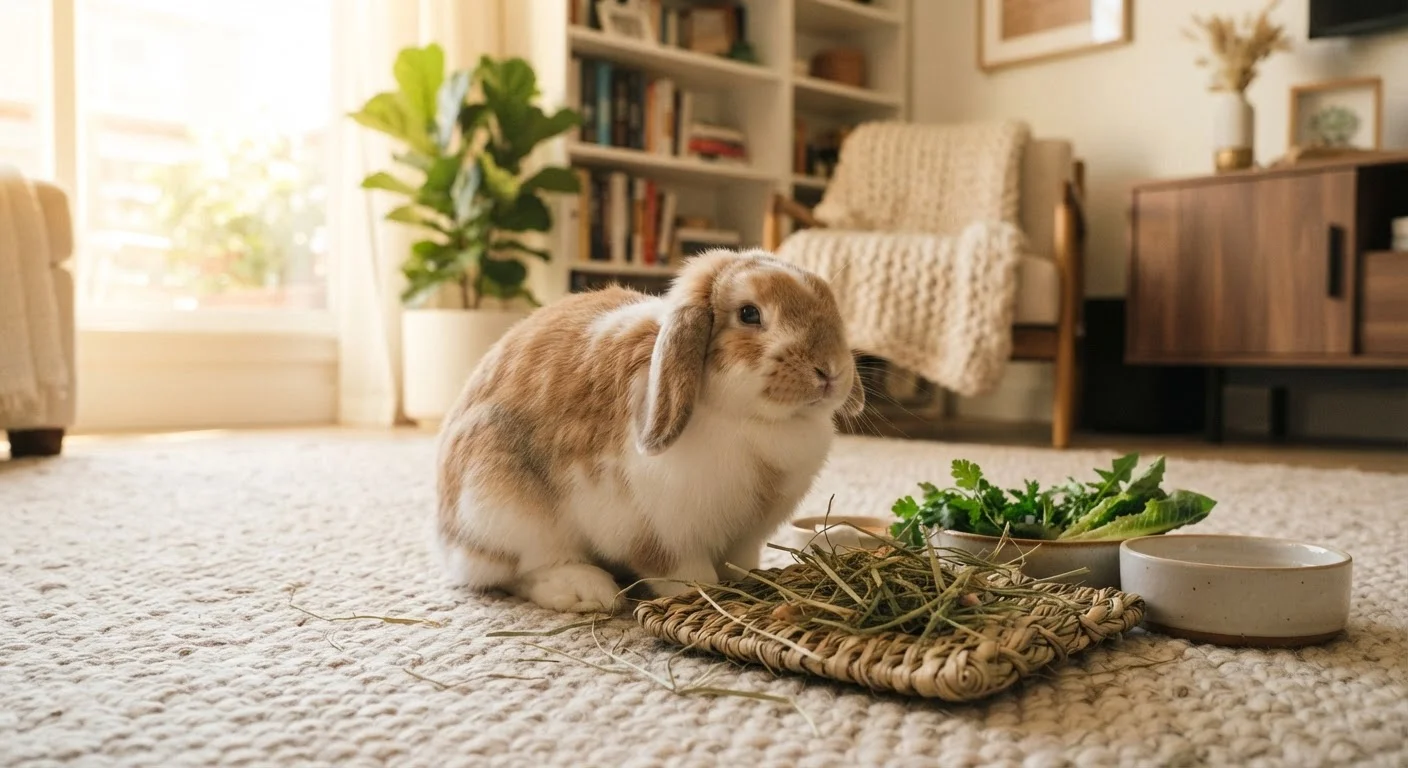
Understanding What Rabbits Actually Need
Pet rabbits are often marketed as low-maintenance starter pets, but that picture is incomplete. Rabbits are intelligent, social prey animals with specific dietary, spatial, and behavioral needs that require consistent daily attention. Underestimating these needs is one of the most common reasons rabbits end up in shelters.
Rabbits can live 8-12 years with proper care - comparable to a small dog. That lifespan means prospective owners should think carefully before bringing one home. This guide covers the full scope of rabbit ownership so you can go in with realistic expectations and a solid plan. For a broader overview of small pet care across species, see the Small Pet Ownership reference guide.
8-12 years
Average rabbit lifespan with proper care
According to the House Rabbit Society, well-cared-for domestic rabbits commonly live well into their second decade.
80%
Proportion of diet that should be hay
Veterinary guidelines consistently place unlimited grass hay as the cornerstone of a healthy rabbit diet.
#3
Most popular small pet in the US
Rabbits are among the most commonly kept small pets in American households, yet also among the most frequently surrendered to shelters.
Diet: The Foundation of Rabbit Health
A rabbit's digestive system is highly specialized, and feeding errors are a leading cause of serious health problems. Getting the diet right is the single most impactful thing an owner can do.
- Hay (80% of diet): Unlimited grass hay - timothy, orchard grass, or meadow hay - must be available at all times. Hay supports healthy gut motility and wears down continuously growing teeth.
- Fresh leafy greens: A daily portion of fresh leafy greens (romaine lettuce, cilantro, parsley, arugula) supplements vitamins and moisture. Introduce new greens gradually to avoid digestive upset.
- Pellets (in moderation): High-fiber, plain pellets can be offered in small daily amounts. Pellet-heavy diets without adequate hay are associated with obesity and dental disease.
- Water: Fresh water should always be accessible, either from a bowl or a sipper bottle.
Foods to avoid include iceberg lettuce, sugary fruits in large quantities, onions, garlic, avocado, and most human snack foods. Treats should be rare and small - a thin slice of apple or a small piece of carrot is sufficient.
Introduce New Foods Slowly
When adding a new vegetable to your rabbit's diet, offer a small amount for two to three days and watch for soft stools or changes in droppings before making it a regular item. Rabbits have sensitive digestive systems, and sudden dietary shifts can cause GI upset. Stick to one new food at a time so you can identify any problem ingredients quickly.
Housing and Space Requirements
Standard small cages sold in pet stores are rarely adequate for a rabbit's needs. Rabbits require room to run, jump, and fully stretch out. As a general principle, a rabbit should be able to take at least three full hops in any direction within their living space - and that's a minimum, not an ideal.
There are three main approaches to rabbit housing: traditional cages, exercise pens, or free-roam setups. Each has trade-offs in terms of supervision, safety, and the rabbit's quality of life. Our dedicated article on rabbit housing options walks through each approach in practical detail.
Key safety considerations include:
- Rabbit-proofing electrical cords, which rabbits will chew and which pose an electrocution risk
- Blocking access to toxic houseplants
- Ensuring flooring is not slippery, as hard floors can cause joint strain
- Providing a litter box filled with hay-based or paper litter - rabbits can be litter trained
If you share your home with cats or dogs, careful introductions and physical separation during unsupervised hours are essential. See our guidance on introducing a small pet to a home with cats or dogs for a safe approach.
Social Needs and Companionship
Rabbits are social animals that in the wild live in groups. A rabbit kept alone without adequate human interaction or a bonded companion can develop signs of stress, boredom, or depression - including destructive behavior, lethargy, or over-grooming.
Many rabbit welfare organizations recommend keeping rabbits in bonded pairs. A neutered male-female pairing is typically the most stable. Bonding two rabbits requires a structured introduction process and patience, but the long-term benefit to each animal's wellbeing is significant.
Single-rabbit ownership is common and can work well - but it places more responsibility on the owner to provide daily social interaction and enrichment. For a balanced look at both sides, see keeping a single rabbit: the case for and against.
When bonding two rabbits, conduct introductions on neutral ground - a space neither animal has claimed as territory. This reduces defensive aggression and makes the process significantly smoother.
Territorial behavior is one of the primary causes of bonding failures; removing familiar territory levels the dynamic between the two animals.
Get into the habit of counting your rabbit's cecotropes - the small grape-like droppings rabbits re-ingest directly from their hindquarters. If you're finding a lot of uneaten cecotropes, diet or health may need adjusting.
Cecotrope production is a direct indicator of gut health and diet quality; excess uneaten ones often point to too many pellets or a health issue worth discussing with a vet.
Health Monitoring and Veterinary Care
Rabbits are prey animals that instinctively conceal signs of illness - by the time a rabbit appears obviously unwell, a condition may already be advanced. Attentive daily observation is therefore critical.
Watch for these warning signs and contact a rabbit-savvy veterinarian promptly if you notice them:
- Not eating or passing droppings for more than a few hours (a potential sign of GI stasis, a life-threatening condition)
- Labored breathing, nasal discharge, or persistent sneezing
- Head tilt, loss of balance, or sudden changes in coordination
- Wet fur around the chin (can indicate dental disease)
- Cloudy eyes or discharge
Routine care includes annual wellness exams with a vet experienced in exotic or small mammal medicine. Spaying and neutering is strongly recommended - it significantly reduces the risk of reproductive cancers in females and reduces hormonal aggression in both sexes. Vaccinations are not routinely required in the US, but your vet can advise based on your region and rabbit's lifestyle.
Enrichment, Handling, and Daily Interaction
A rabbit with nothing to do will find its own entertainment - usually at the expense of your baseboards or furniture. Mental and physical enrichment keeps rabbits healthy and behaviorally balanced.
Effective enrichment includes:
- Cardboard boxes and tunnels for hiding and exploring
- Safe chew toys (untreated wood, willow, hay cubes)
- Foraging activities - hiding small amounts of herbs or greens for the rabbit to find
- Daily free-roam exercise time outside their enclosure
When it comes to handling, rabbits are generally not lap animals. Many tolerate gentle petting but dislike being picked up, as being lifted triggers their prey instincts. Learning to read a rabbit's body language - ears back, thumping, a binky (joyful leap and twist) - takes time but deepens the relationship.
Children should be supervised around rabbits and taught to sit at floor level rather than picking them up, reducing the risk of the rabbit being dropped and injured. Building trust through calm, consistent daily interaction is more rewarding than forcing physical contact.
This article provides general educational information about rabbit care and is not a substitute for advice from a qualified veterinarian familiar with your specific animal.
The content on this site is provided for informational purposes only and should not be considered a substitute for professional advice. While we strive to provide accurate and up-to-date information, we make no guarantees regarding its completeness or accuracy. Always consult a qualified professional for advice specific to your circumstances before making any decisions.