

Our Verdict
Extended warranties can make financial sense for drivers purchasing vehicles with historically higher repair costs, those planning to keep a car well beyond the factory warranty period, or anyone who would struggle to absorb a large, unexpected repair bill. However, for reliable vehicles or owners with an adequate emergency fund, the cost of a warranty may outpace any claim benefit received.
Best suited to buyers of complex or higher-mileage vehicles who lack the financial cushion to self-insure against major mechanical failures.
What an Extended Warranty Actually Is
An extended warranty - more accurately called a vehicle service contract - is a paid agreement that covers specified repair costs after your factory warranty expires. Unlike manufacturer warranties that come standard with a new vehicle, extended warranties are purchased products with their own terms, conditions, and exclusions.
There are two broad categories: manufacturer-backed programs, sold by the automaker or its certified dealers, and third-party service contracts, offered by independent administrators. The distinction matters - manufacturer programs typically use the automaker's dealer network for claims, while third-party plans vary widely in how claims are authorized and paid. Before purchasing any plan, reviewing the contract in full is essential, particularly the exclusions section.
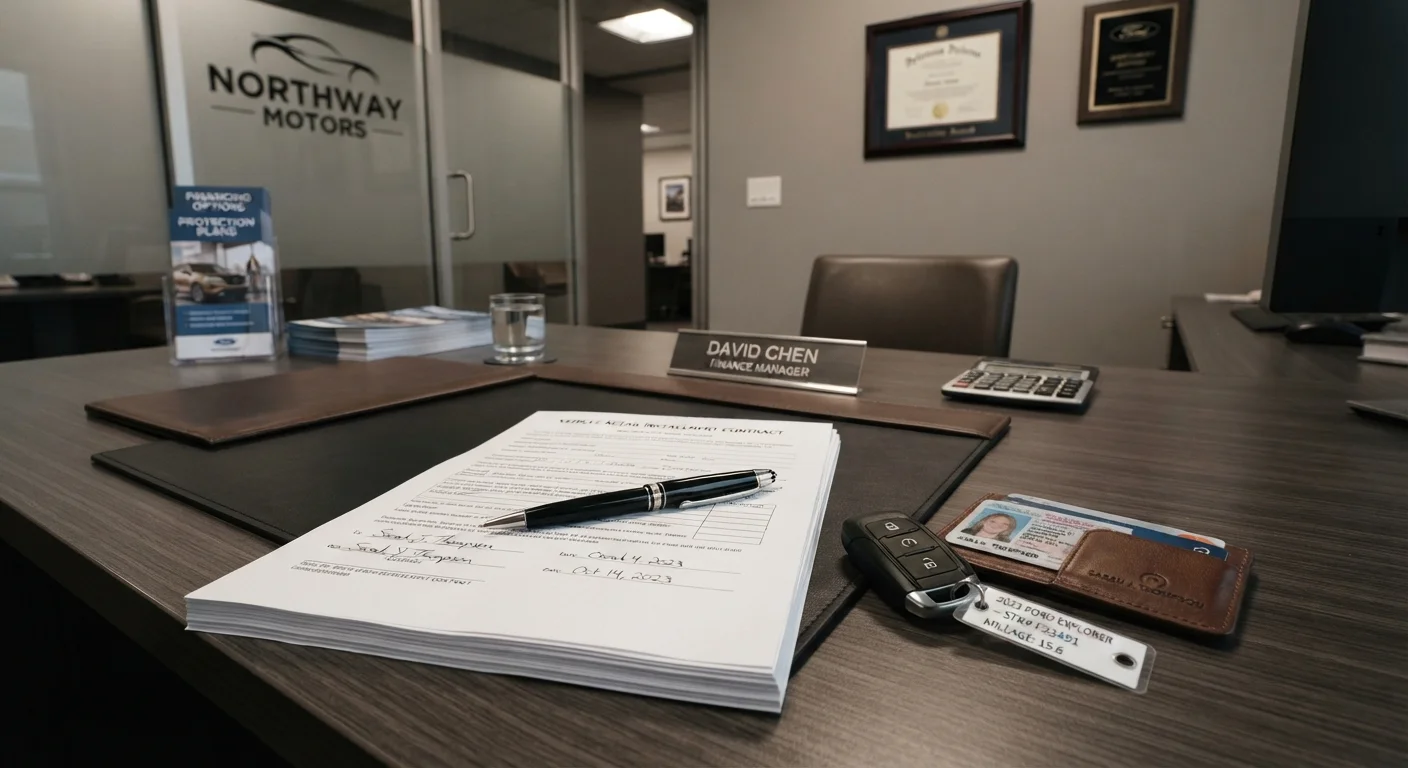
Extended warranties are often presented at the point of new or used car purchase, sometimes under time pressure. Understanding their structure before entering a dealership finance office puts you in a stronger position. See our what to verify when buying a used car guide for a broader pre-purchase checklist.
The Case For: Real Advantages Worth Considering
For some owners and vehicles, an extended warranty delivers genuine financial protection. Here's where the value argument is strongest.
Protection against large, unexpected repair bills
Powertrain and comprehensive plans can cover repairs that run into thousands of dollars - transmission replacements, engine work, or major electrical failures. For owners without a dedicated emergency fund, this can prevent serious financial disruption.
Predictable monthly or upfront cost
Rather than absorbing an unpredictable repair expense, an extended warranty converts that risk into a known, fixed cost - making it easier to budget over the ownership period.
Can transfer to a subsequent owner
Some manufacturer-backed extended warranties are transferable, potentially increasing the vehicle's resale appeal and giving a future buyer added confidence in the purchase.
Especially relevant for complex, high-repair-cost vehicles
Vehicles with advanced electronics, turbocharged engines, or luxury components often carry higher parts and labor costs when something fails - making coverage more likely to pay off.
~55%
Extended warranty holders who never file a claim
Consumer Reports surveys have found that a substantial majority of extended warranty holders never use the coverage they purchased, calling the cost-benefit into question for many buyers.
$1,000-$4,000+
Typical extended warranty contract cost range
Pricing varies widely based on vehicle type, coverage level, and term length, with luxury and high-complexity vehicles sitting at the upper end of the range.
Beyond cost protection, extended warranties can transfer alongside the vehicle in some cases, potentially adding resale appeal. Buyers of a used car may view an active service contract as a trust signal - particularly for complex vehicles with advanced electronics or turbocharged engines that carry higher repair costs.
The Case Against: Limitations That Matter
Extended warranties also carry meaningful drawbacks that owners frequently discover only after they've signed. Understanding these upfront prevents costly surprises.
Significant exclusions reduce real-world coverage
Most plans exclude wear-and-tear items, pre-existing conditions, and maintenance-related failures. Reading the exclusions section carefully often reveals a narrower scope than the headline coverage suggests.
Total cost can exceed claims received
For reliable vehicles, the cumulative premium, deductibles, and administrative fees can easily outpace what's ever paid out in claims - making the contract a net loss financially.
Third-party plans carry provider risk
Independent warranty administrators can go out of business or deny claims through fine-print interpretations. Vetting the financial stability and reputation of any third-party provider is an essential step most buyers skip.
Maintenance documentation requirements can be burdensome
Many contracts require proof of regular, documented maintenance to validate claims. Gaps in service records - even minor ones - can become grounds for denial.
Coverage may overlap with existing protections
Purchasing a plan while factory warranty coverage or powertrain guarantees remain active results in paying for overlapping protection with no added benefit during that overlap window.
Coverage gaps are among the most common frustrations. Most contracts exclude wear-and-tear items (brake pads, belts, tires), pre-existing conditions, and damage caused by deferred maintenance. This makes keeping a thorough maintenance log especially important - it protects your ability to file a valid claim. Purchasing an extended warranty and then neglecting service records can void coverage entirely.
Manufacturer Plans vs. Third-Party Contracts
Manufacturer-backed extended warranties - sometimes called certified programs - are underwritten by the automaker and typically honored across the dealer network. Third-party service contracts are administered by independent companies with varying financial strength and claims processes. Before signing any third-party contract, research the administrator's history and check whether your state's attorney general has received complaints. The Federal Trade Commission recommends reviewing any service contract thoroughly before purchase.
How to Evaluate Whether One Makes Sense for You
There's no universal answer - the right decision depends on your specific vehicle, financial situation, and risk tolerance. Consider these factors:
- Reliability track record: Vehicles with historically low repair frequency offer less opportunity for a warranty to pay off. Research reliability data before deciding.
- Remaining factory coverage: Buying an extended warranty while significant factory warranty coverage remains creates overlap you're paying for but not using.
- Total cost vs. self-insuring: Compare the full contract cost (including deductibles) against what you could realistically accumulate in a dedicated repair fund over the same period.
- Contract terms: Verify what's covered, what's excluded, which repair shops are authorized, how claims are filed, and whether the administrator is financially stable.
Extended warranties represent just one layer of the broader cost picture. For a full view of what vehicle ownership actually costs, our article on hidden costs of car ownership covers the recurring and one-time expenses most budgets underestimate. Decisions like this one - which feel protective but carry real cost - also appear in our look at costly ownership decisions that seem reasonable at the time.
The content on this site is provided for informational purposes only and should not be considered a substitute for professional advice. While we strive to provide accurate and up-to-date information, we make no guarantees regarding its completeness or accuracy. Always consult a qualified professional for advice specific to your circumstances before making any decisions.