

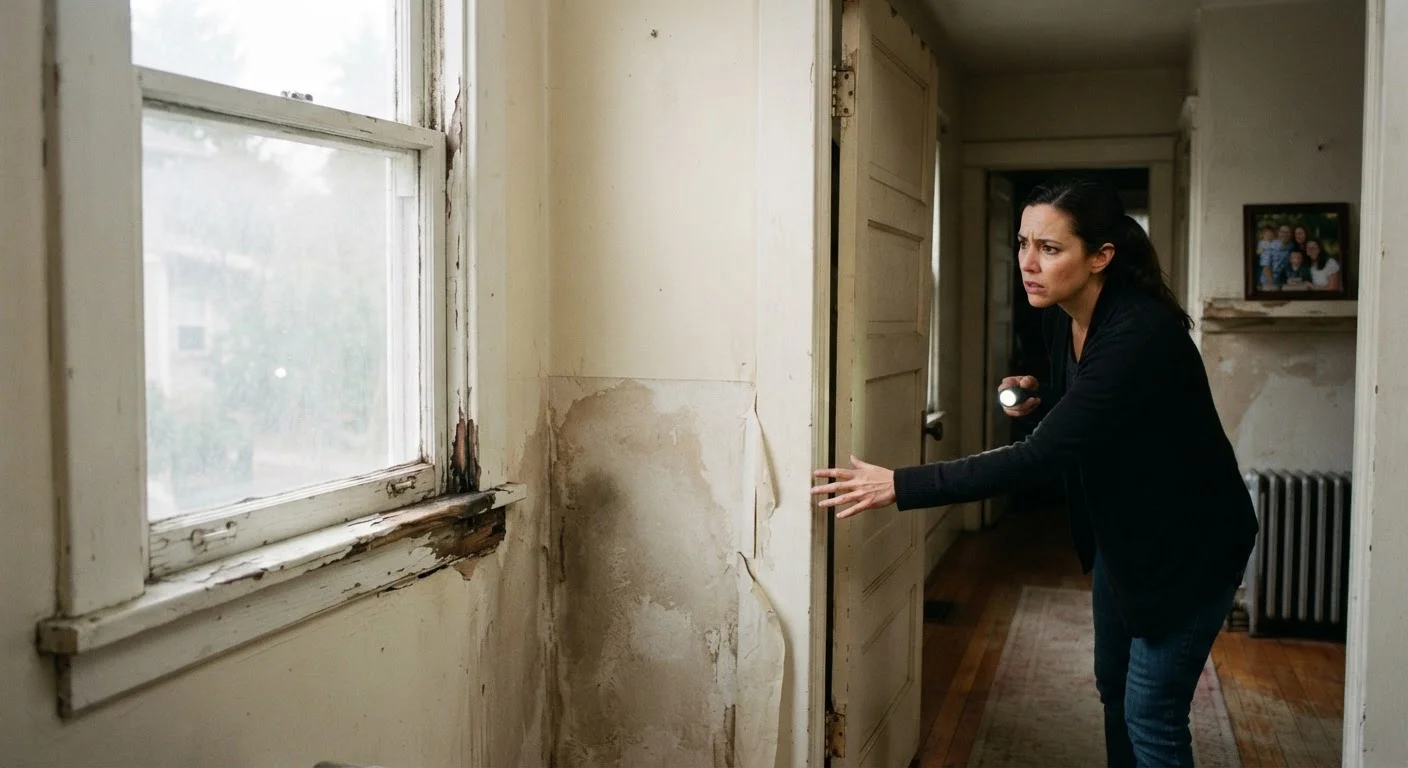
Your Home Communicates Constantly - Are You Listening?
Homes don't fail suddenly. Long before a pipe bursts or a foundation crack becomes a structural concern, your house sends quieter signals: a door that won't latch the way it used to, a faint smell you can't quite place, paint that's starting to look tired in an unusual spot. These aren't random annoyances - they're diagnostic clues.
Just as brake symptoms tell you when your car needs attention, your home has its own language. Learning to read it means you can address problems while they're still manageable - before they become expensive emergencies. The list below covers the most common and telling warning signs homeowners overlook.
Sticky or Stiff Doors and Windows
When a door or window that opened smoothly starts to stick, bind, or require extra force, your first instinct might be to blame humidity. Sometimes that's correct - wood expands seasonally. But when sticking is persistent, localized to one area of the house, or worsening over time, it can indicate foundation settling or shifting. Doors that no longer sit square in their frames, gaps at the top or bottom of a door, or windows that crack at the corners when they stick all deserve a closer look beyond a quick plane or sand job.
Persistent sticking in a single area of the house can signal foundation movement, not just seasonal swelling.
Musty or Earthy Odors
A musty smell - especially one that's strongest in basements, crawl spaces, bathrooms, or near exterior walls - is one of the most reliable early indicators of mold or chronic moisture intrusion. Mold can grow behind drywall, under flooring, and inside wall cavities long before it becomes visible. Don't dismiss a persistent musty smell as a quirk of an older home. Trace it to its source: check for water staining on ceilings or baseboards, condensation on pipes, and any areas where outdoor air meets interior surfaces. If the source isn't obvious, a moisture meter or professional assessment can help pinpoint it.
A musty smell that lingers often means moisture or mold is active somewhere you can't easily see.
Cracks in Walls, Ceilings, or Floors
Not all cracks are equal, and their pattern tells you a great deal. Hairline cracks in drywall near door and window corners are common in new homes as they settle - these are typically cosmetic. Wide cracks (generally 1/4 inch or wider), cracks that run diagonally from corners, stair-step cracks in brick or block, or cracks that are wider at one end than the other are more concerning. They may suggest differential settling, soil movement, or in some cases, load-bearing wall stress. Cracks in concrete floors that are growing or accompanied by heaving also warrant professional evaluation. Understanding which walls bear structural loads is essential context if cracks appear near interior walls.
Diagonal or widening cracks near structural points deserve professional evaluation, not just spackle.
Peeling Paint or Bubbling Drywall
Paint that peels, bubbles, or develops a texture near ceilings, window sills, or exterior walls is almost always pointing to moisture. Interior peeling near the roofline can indicate a roof leak or poor attic ventilation. Bubbling near a window frame often means the seal has failed or flashing is compromised. On exterior surfaces, widespread peeling can suggest moisture is escaping from inside the home - a sign of inadequate vapor barriers or ventilation. Don't repaint over these areas without first investigating and resolving the moisture source; the cosmetic fix will fail quickly, and the underlying issue will worsen.
Repainting over bubbling or peeling surfaces without fixing the moisture source is a temporary fix that always fails.
Unexplained Spike in Utility Bills
If your energy bills rise noticeably without a corresponding change in behavior, season, or rate, your home's envelope or mechanical systems may be underperforming. Common culprits include deteriorating insulation (especially in attics and crawl spaces), air leaks around doors, windows, or penetrations, a failing HVAC system working harder to maintain temperature, or a water heater struggling with sediment buildup. A simple draft test - holding a lit incense stick near window and door frames on a windy day - can reveal air infiltration. For more systemic issues, a home energy audit conducted by a qualified professional can identify where energy is escaping and prioritize improvements.
A sudden, unexplained energy bill increase often points to insulation failure or an HVAC system in decline.
Slow Drains or Gurgling Pipes
A single slow drain is usually a localized clog. But when multiple fixtures drain slowly, or when you hear gurgling sounds from a drain while running water elsewhere in the house, the problem is likely further down the line - in the main drain or sewer stack. Tree root intrusion, pipe corrosion, and grease buildup are common causes in older homes. Gurgling specifically suggests a venting issue: the plumbing vent stack may be blocked, causing air pressure imbalances as water drains. These issues tend to worsen over time and, if ignored, can lead to sewage backups. A plumber with a drain camera can inspect the line and confirm the cause before it becomes an emergency.
Gurgling sounds across multiple drains are a plumbing system signal, not just a single-fixture problem.
When to Call a Professional
Some signs on this list are well within DIY territory - replacing weatherstripping, resealing a window, or cleaning gutters. Others, however, involve systems where mistakes carry real risk. Any sign pointing toward electrical faults, gas lines, structural movement, or mold growth behind walls warrants a licensed professional's assessment. Many jurisdictions require permits and inspections for work on these systems, so always verify your local requirements before starting repairs.
Start a Simple Home Symptom Log
Keep a running note on your phone or a small notebook where you record unusual sounds, smells, or visual changes as you notice them - along with the date and location in the house. Over weeks or months, patterns emerge that help you and any professional you consult pinpoint the cause more quickly. It's especially useful for intermittent problems like seasonal sticking or odors that come and go.
If you're preparing to buy or sell, a formal inspection can decode multiple warning signs at once. Our guide on understanding what a home inspection report is actually telling you explains how to interpret findings without panic. And if your home's exterior is showing signs of wear, learning what pressure washing does and doesn't fix can help you prioritize next steps.
The content on this site is provided for informational purposes only and should not be considered a substitute for professional advice. While we strive to provide accurate and up-to-date information, we make no guarantees regarding its completeness or accuracy. Always consult a qualified professional for advice specific to your circumstances before making any decisions.