

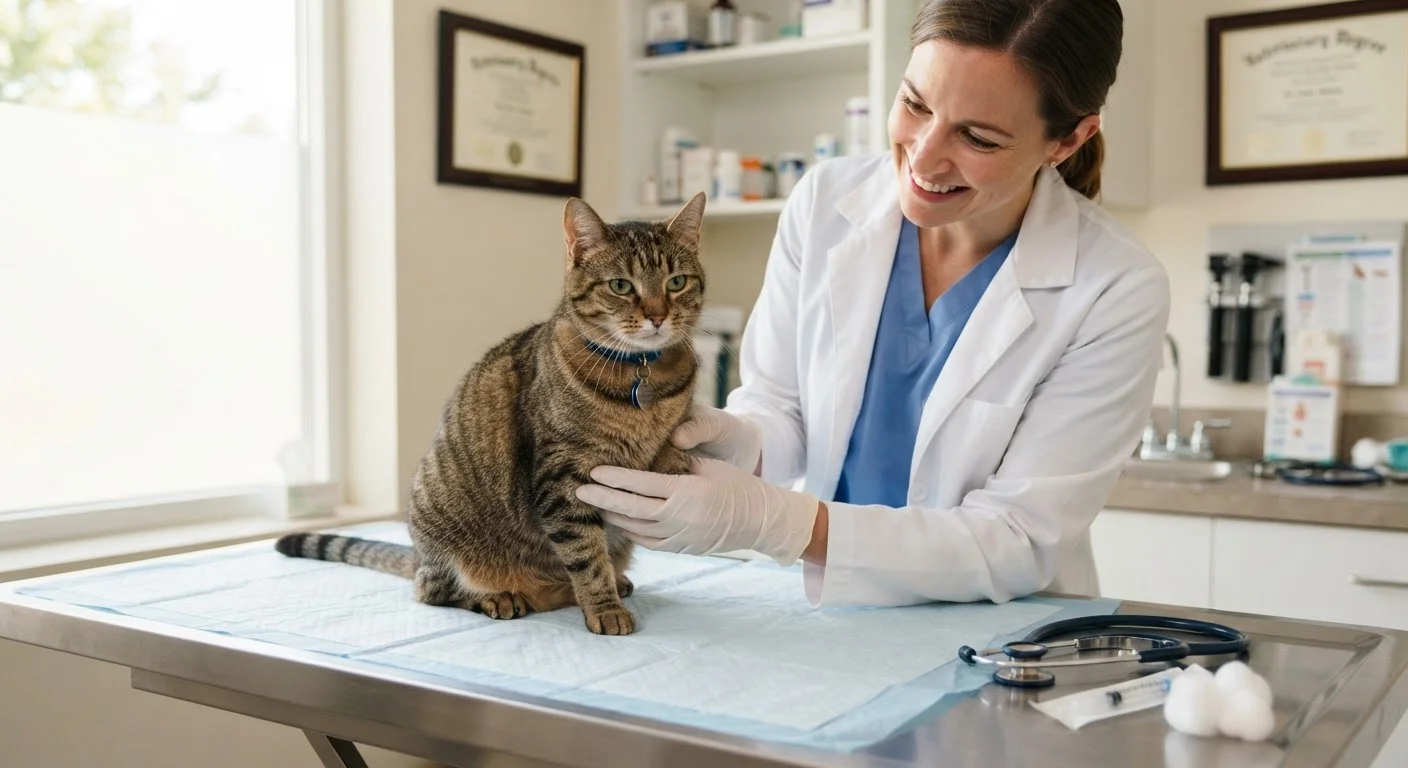
How Often Should Cats See a Vet?
Visit frequency depends primarily on your cat's age and health status. General guidelines used by most veterinary practices follow a tiered approach:
- Kittens (under 1 year): Every 3-4 weeks from 6-8 weeks of age until about 16 weeks, to complete the initial vaccine series and monitor growth.
- Healthy adults (1-10 years): Once annually for a wellness exam and any due vaccines or parasite prevention updates.
- Senior cats (10+ years): Twice a year, since age-related conditions like hyperthyroidism, kidney disease, and dental disease can progress quickly.
Cats with chronic conditions, prior health issues, or those on long-term medications may need visits on a schedule their veterinarian determines individually. If your cat is new to your home, a baseline exam - regardless of age - is a smart first step. See our guide on setting up your home before a new cat arrives for more on early preparation.
Core and Non-Core Vaccines for Cats
Cat vaccines fall into two broad categories. Core vaccines are recommended for virtually all cats; non-core vaccines are given based on individual risk factors like outdoor access or geographic location.
Core Vaccines
- FVRCP (Feline Viral Rhinotracheitis, Calicivirus, Panleukopenia): Given as a series in kittenhood, then boosted at one year, and every 1-3 years in adulthood depending on the product used.
- Rabies: Required by law in most U.S. states. Initial vaccine is followed by boosters on a schedule (1-year or 3-year product) determined by your vet and local regulations.
Non-Core Vaccines
- FeLV (Feline Leukemia Virus): Recommended for cats with outdoor access or exposure to other cats.
- Bordetella and Chlamydia: Considered in multi-cat environments or shelter situations.
Indoor vs. Outdoor Status Affects Vaccine Needs
A strictly indoor cat and a cat with outdoor access don't always need the same vaccine protocol. Your vet will factor in exposure risk, local disease prevalence, and your cat's overall health when making recommendations. Be honest about your cat's actual lifestyle so the plan reflects real risk.
For a comparison of how feline vaccine protocols differ from canine ones, the dog vaccination schedule explained offers useful context.
What Happens During a Wellness Exam
A routine wellness exam is more comprehensive than most owners expect. Your vet will typically assess:
- Weight and body condition score - obesity is one of the most common and manageable feline health risks
- Teeth and gums - dental disease affects a significant proportion of cats over age three
- Eyes and ears - checked for discharge, redness, or signs of infection
- Heart and lungs - auscultation (listening with a stethoscope) can detect murmurs or abnormal breathing patterns
- Abdomen - palpation helps identify organ enlargement or unusual masses
- Coat and skin - condition can reflect nutritional status, parasites, or systemic illness
- Lymph nodes - swelling can indicate infection or other conditions
“Cats are masters of disguise when it comes to illness. By the time a cat is showing obvious signs of pain or discomfort, the condition has often been developing for quite a while. That's exactly why preventive care visits matter so much.”
— American Association of Feline Practitioners, Professional organization for veterinarians focused on feline medicine
Depending on your cat's age and history, your vet may also recommend bloodwork, a urinalysis, or blood pressure measurement. These aren't automatic at every visit but become more routine as cats age. Nutrition often comes up as part of the conversation - see how cat nutrition actually works to come prepared with informed questions.
Preparing Your Cat for the Visit
Carrier anxiety is one of the most common reasons cat owners report putting off vet visits. A little preparation goes a long way.
Keep a Simple Health Log at Home
Jot down changes in litter box habits, appetite, water intake, or energy level between visits. Even a few notes on your phone can give your vet a clearer picture. Cats hide discomfort well, so owner observations are genuinely valuable clinical data.
Leave your cat's carrier out in the home for several weeks before the appointment - put a familiar blanket inside so it becomes a neutral, comfortable space rather than a stress trigger.
Cats associate carriers with vet trips, so sudden exposure causes anticipatory anxiety. Gradual desensitization makes the journey far calmer.
Bring a short written list of any behavioral or dietary changes you've noticed, even if they seem minor - vets consider subtle shifts as valuable diagnostic clues.
Cat owners see their pets daily and often notice changes before clinical signs fully develop; written notes prevent details from being forgotten under time pressure.
On the day of the appointment, avoid feeding your cat a large meal 2-3 hours beforehand if bloodwork or sedation is a possibility - ask your vet's office when you book. Bring a used blanket or item with your scent to place in the carrier. Covering the carrier with a light cloth during travel can reduce visual stimulation and calm some cats. If your cat gets severely stressed during transport, talk to your vet about whether a mild, short-acting calming protocol is appropriate - this is a legitimate medical conversation, not something to feel embarrassed about raising.
Good home grooming habits can also reduce what vets need to address during exams. Our at-home cat grooming guide covers brushing, nail trimming, and ear checks in a way that works even for reluctant cats.
Questions Worth Asking Your Veterinarian
The 15-20 minutes of a wellness exam go quickly. Coming in with questions ensures you leave with the information you need:
- Is my cat's weight appropriate, and should I adjust feeding amounts?
- Which vaccines are due, and are any optional for my cat's specific lifestyle?
- Should we be doing routine bloodwork at this stage?
- Are there signs of dental disease, and does my cat need a cleaning?
- What parasite prevention does my cat need - fleas, ticks, heartworm, intestinal worms?
- Has anything changed since last visit that I should monitor at home?
If your cat hasn't been spayed or neutered, or if you have questions about what that procedure involves, it's worth discussing during a wellness visit. Our overview of spaying and neutering for cat owners covers the health and behavioral considerations in plain language.
Signs That Warrant an Unscheduled Visit
Annual exams cover the baseline, but some changes in your cat's condition shouldn't wait. Contact your veterinarian promptly if you notice:
- Sudden changes in appetite or water consumption
- Straining or crying out when using the litter box - especially in male cats, this can be an emergency
- Labored or open-mouth breathing
- Sudden loss of coordination or apparent weakness in the hind legs
- Prolonged vomiting or diarrhea (more than 24 hours)
- Visible wounds, swelling, or limping
- Significant behavioral changes - hiding, aggression, or disorientation
Don't Skip the Vet Because Your Cat 'Seems Fine'
Cats are instinctively inclined to mask pain and illness - a behavior rooted in survival instinct. By the time symptoms are obvious to an owner, some conditions are already advanced. Routine exams catch problems like kidney disease, dental disease, and hypertension before they become emergencies.
This Is General Information, Not Medical Advice
Every cat is different. Vaccination schedules, exam frequency, and health recommendations should always be tailored by a licensed veterinarian who knows your specific cat's history, lifestyle, and risk factors. Use this guide to have better-informed conversations with your vet, not to replace those conversations.
Cats that are exhibiting any of the above, especially breathing difficulties or suspected urinary blockage, should be seen on an emergency basis. Have your regular vet's after-hours protocol and a nearby emergency veterinary clinic's contact information saved before you need it. Familiarity with common cat health myths can also help you recognize when a symptom is genuinely concerning versus folklore.
The content on this site is provided for informational purposes only and should not be considered a substitute for professional advice. While we strive to provide accurate and up-to-date information, we make no guarantees regarding its completeness or accuracy. Always consult a qualified professional for advice specific to your circumstances before making any decisions.